Landscaping Resolutions: Setting Realistic Goals for Your Colorado Property

Landscaping Resolutions: Setting Realistic Goals for Your Colorado Property
Landscaping resolutions in Colorado come with unique challenges due to its climate, terrain, and water restrictions. Setting realistic goals helps homeowners create outdoor spaces that are both beautiful and sustainable. Achieving these resolutions relies on focusing on native plants, water-wise methods, and designs that suit Colorado’s environment.
Many homeowners overlook the importance of tailoring landscaping plans to local conditions. Choosing hardy plants and natural materials reduces maintenance while protecting the ecosystem. Clear, practical goals help create a functional and visually appealing yard that fits the Colorado lifestyle.

Landscaping Resolutions: Setting Realistic Goals for Your Colorado Property

Understanding Colorado’s Unique Landscaping Needs

Landscaping in Colorado requires careful attention to its distinct climate, soil types, and water availability. Making the right choices helps ensure plants thrive and landscapes stay healthy without excessive effort or resource use.

Climate and Soil Considerations

Colorado’s climate is generally dry, with strong sun and large temperature swings between day and night. These conditions make it important to select plants that can handle heat, cold, and occasional frost.
The soil often has low organic matter and can be rocky or sandy. It is usually alkaline, which affects nutrient availability for many plants. Preparing soil by adding compost or organic material improves water retention and plant health. Understanding soil pH helps guide proper plant selection.
Successful landscaping involves matching plants to these conditions. Planting in microclimates, such as shaded spots or wind-protected areas, helps plants establish and reduces stress. This practice also helps prevent water waste over a long period and supports efficient landscaping resolutions.

Water Management and Drought Solutions

Water is scarce in much of Colorado, making water-smart landscaping resolutions essential. Outdoor water use can represent 60% or more of a household’s water consumption, so reducing this is critical.
Xeriscaping, which uses drought-tolerant plants and efficient irrigation methods, saves water and lowers maintenance. Incorporating mulch and grouping plants by water needs also helps minimize waste and reduce high water consumption.
Colorado encourages drought-tolerant landscapes, offering homeowners rebates and guidelines to adopt these practices. A water management plan tailored to the site conserves resources and supports healthier plants, helping homeowners achieve their landscaping resolutions.

Choosing Native and Adaptive Plants

Native plants are well-suited to Colorado’s soil and climate because they evolved in this environment. They require less water, fertilizer, and care than many non-native species.
Examples include buffalo grass, rabbitbrush, and mountain mahogany. These species support local wildlife, such as pollinators and birds, enhancing the ecosystem.
Adaptive plants, which may not be native but tolerate Colorado’s conditions, also offer options. Careful selection ensures they will survive and thrive with less water and fewer chemicals.
Using native or adaptive plants helps create a sustainable, low-maintenance landscape aligned with Colorado’s natural environment. These choices support sustainable landscaping resolutions that last a long time.

Setting Realistic Landscaping Goals for Your Property

Creating practical landscaping goals starts with understanding your yard’s conditions and planning the results you can achieve. Managing costs and choosing designs that suit your space helps make each step of the project useful and achievable.

Assessing Your Landscape’s Current State

Begin by carefully evaluating your yard to understand its conditions and plan effectively:
  • Note soil quality and soil pH.
  • Check sunlight exposure and existing plants or structures.
  • Identify problem areas like poor drainage or pest damage.
  • Measure yard size and slope to determine suitable plants and features.
  • Consider local climate factors, including temperature swings and precipitation patterns.

Defining Achievable Short-Term and Long-Term Outcomes

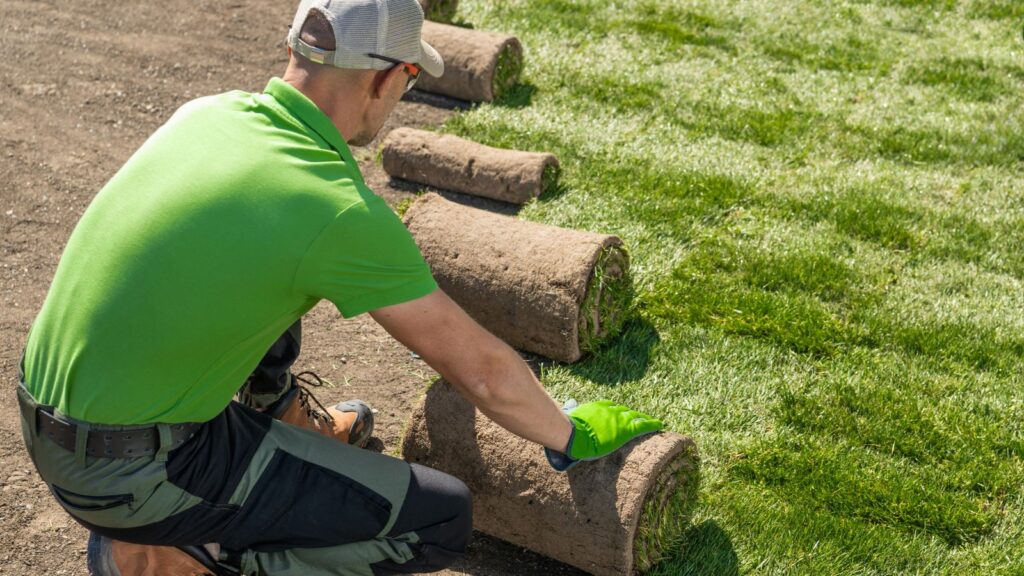
Clear goals should be split into short-term and long-term outcomes. Short-term goals might include planting new grass or installing a basic irrigation system. These are smaller projects that are easier to complete quickly.
Long-term outcomes could involve adding a durable patio, creating shade areas, or designing a water-saving garden. These require more time, money, and planning. Writing down specific, measurable objectives helps track progress and avoid overreaching.

Budgeting for Colorado Landscaping Projects

Setting a budget that matches the landscape goals is vital. Costs vary depending on factors like plant types, labor, and materials. He should research local prices for items such as native plants, stone, mulch, and irrigation equipment.
It helps to divide the budget by project phase, prioritizing urgent needs first. Colorado’s unique climate might increase costs for drought-resistant supplies or winter prep. Leaving a 10-15% buffer can cover unexpected expenses during the project.

Balancing Aesthetics and Sustainability

Choosing designs that are both attractive and eco-friendly benefits the property and environment. Native plants thrive with less water and maintenance, which saves money and time. Consider features like rain gardens or permeable paths to reduce runoff.
A well-designed landscape blends beauty with function. For example, adding shade trees can improve outdoor comfort while lowering home cooling costs. Combining sustainable practices with visual appeal creates a landscape that lasts longer and works better in Colorado’s environment.

Prioritizing and Implementing Actionable Steps

Setting clear, manageable steps helps ensure landscaping resolutions are met on time and within budget while keeping the project organized and on track.

Seasonal Planning and Maintenance

Effective landscaping in Colorado requires a strong focus on seasonal tasks. Planning for specific activities each season keeps the property healthy and visually appealing year-round.
Spring tasks often include soil testing, pruning dormant plants, and planting new shrubs or trees. Summer focuses on irrigation management, controlling weeds, and maintaining lawns under dry conditions. Fall is crucial for cleanup, mulching, and preparing for winter by protecting sensitive plants.
A seasonal calendar helps homeowners prioritize what needs immediate attention. This method also reduces stress by spacing out work and avoiding costly damage caused by neglecting the right timing for maintenance.

Integrating Functional Outdoor Spaces

Landscaping goals should include designing spaces that serve practical uses such as entertaining, relaxing, or gardening. Functional areas increase the property’s value and improve daily life.
Start by listing desired features, such as patios, fire pits, or vegetable gardens. Then evaluate the yard’s size, sunlight, and access points to place these features effectively.
Using durable materials suitable for Colorado’s climate is important. Hardscaping elements, like stone paths and retaining walls, need to withstand temperature swings and moisture.
Clear pathways, seating zones, and adequate lighting ensure that outdoor spaces can be used comfortably during different times of day and seasons.

Addressing Common Landscaping Challenges

Colorado landscapes face challenges such as water scarcity, poor soil quality, and extreme weather. Tackling these issues early helps avoid setbacks.
Water-efficient irrigation systems, such as drip lines, conserve resources and keep plants healthy. Amending soil with organic compost improves drainage and nutrient content, supporting better plant growth.
Windbreaks or shade structures reduce damage from harsh winds and sun exposure. Selecting native or drought-resistant plants also minimizes water needs and improves resilience.
Regularly monitoring problem areas, such as eroded slopes or pest spots, allows for timely interventions before issues worsen. Careful troubleshooting keeps the overall design intact and functioning well.

Tracking Progress and Adjusting Your Strategy

Regularly track progress and monitor plant health to keep a Colorado property’s landscaping goals on target. Make adjustments as needed to stay realistic and respond to seasonal or environmental changes.

Monitoring Landscape Health and Growth

Consistent observation of plants is essential. Check for signs like leaf color, new growth, and moisture levels. Using a simple schedule, such as weekly or biweekly inspections, helps catch problems early.
Tools like a soil moisture meter or a plant health journal can assist with tracking changes. Taking photos over time also provides visual proof of progress or issues.
If certain plants struggle, it may mean watering or soil conditions need adjusting. Regular monitoring prevents long-term damage and supports steady improvement.

Refining Goals Over Time

Goals should not be rigid. They must adapt based on real-world results and changing conditions in Colorado, like drought or unexpected pests.
Landscapers can break big goals into smaller, achievable steps. After each step, reviewing progress helps decide if the timeline or targets need tweaking.
For example, if a newly planted tree grows slower than expected, adjusting expectations or care routines makes goals realistic. Flexibility avoids frustration and keeps projects moving forward.
Using progress check-ins every month or season allows for informed decisions and better outcomes.
SOLMAUNA Creations & Landscaping Designs in Colorado
Our team of landscape designers brings a unique combination of landscape architecture education paired with extensive knowledge of plants to the table. Contact us today.

Landscaping Resolutions: Setting Realistic Goals for Your Colorado Property

Landscaping Resolutions: Setting Realistic Goals for Your Colorado Property
Landscaping resolutions in Colorado come with unique challenges due to its climate, terrain, and water restrictions. Setting realistic goals helps homeowners create outdoor spaces that are both beautiful and sustainable. Achieving these resolutions relies on focusing on native plants, water-wise methods, and designs that suit Colorado’s environment.
Many homeowners overlook the importance of tailoring landscaping plans to local conditions. Choosing hardy plants and natural materials reduces maintenance while protecting the ecosystem. Clear, practical goals help create a functional and visually appealing yard that fits the Colorado lifestyle.

Landscaping Resolutions: Setting Realistic Goals for Your Colorado Property

Understanding Colorado’s Unique Landscaping Needs

Landscaping in Colorado requires careful attention to its distinct climate, soil types, and water availability. Making the right choices helps ensure plants thrive and landscapes stay healthy without excessive effort or resource use.

Climate and Soil Considerations

Colorado’s climate is generally dry, with strong sun and large temperature swings between day and night. These conditions make it important to select plants that can handle heat, cold, and occasional frost.
The soil often has low organic matter and can be rocky or sandy. It is usually alkaline, which affects nutrient availability for many plants. Preparing soil by adding compost or organic material improves water retention and plant health. Understanding soil pH helps guide proper plant selection.
Successful landscaping involves matching plants to these conditions. Planting in microclimates, such as shaded spots or wind-protected areas, helps plants establish and reduces stress. This practice also helps prevent water waste over a long period and supports efficient landscaping resolutions.

Water Management and Drought Solutions

Water is scarce in much of Colorado, making water-smart landscaping resolutions essential. Outdoor water use can represent 60% or more of a household’s water consumption, so reducing this is critical.
Xeriscaping, which uses drought-tolerant plants and efficient irrigation methods, saves water and lowers maintenance. Incorporating mulch and grouping plants by water needs also helps minimize waste and reduce high water consumption.
Colorado encourages drought-tolerant landscapes, offering homeowners rebates and guidelines to adopt these practices. A water management plan tailored to the site conserves resources and supports healthier plants, helping homeowners achieve their landscaping resolutions.

Choosing Native and Adaptive Plants

Native plants are well-suited to Colorado’s soil and climate because they evolved in this environment. They require less water, fertilizer, and care than many non-native species.
Examples include buffalo grass, rabbitbrush, and mountain mahogany. These species support local wildlife, such as pollinators and birds, enhancing the ecosystem.
Adaptive plants, which may not be native but tolerate Colorado’s conditions, also offer options. Careful selection ensures they will survive and thrive with less water and fewer chemicals.
Using native or adaptive plants helps create a sustainable, low-maintenance landscape aligned with Colorado’s natural environment. These choices support sustainable landscaping resolutions that last a long time.

Setting Realistic Landscaping Goals for Your Property

Creating practical landscaping goals starts with understanding your yard’s conditions and planning the results you can achieve. Managing costs and choosing designs that suit your space helps make each step of the project useful and achievable.

Assessing Your Landscape’s Current State

Begin by carefully evaluating your yard to understand its conditions and plan effectively:
  • Note soil quality and soil pH.
  • Check sunlight exposure and existing plants or structures.
  • Identify problem areas like poor drainage or pest damage.
  • Measure yard size and slope to determine suitable plants and features.
  • Consider local climate factors, including temperature swings and precipitation patterns.

Defining Achievable Short-Term and Long-Term Outcomes

Clear goals should be split into short-term and long-term outcomes. Short-term goals might include planting new grass or installing a basic irrigation system. These are smaller projects that are easier to complete quickly.
Long-term outcomes could involve adding a durable patio, creating shade areas, or designing a water-saving garden. These require more time, money, and planning. Writing down specific, measurable objectives helps track progress and avoid overreaching.

Budgeting for Colorado Landscaping Projects

Setting a budget that matches the landscape goals is vital. Costs vary depending on factors like plant types, labor, and materials. He should research local prices for items such as native plants, stone, mulch, and irrigation equipment.
It helps to divide the budget by project phase, prioritizing urgent needs first. Colorado’s unique climate might increase costs for drought-resistant supplies or winter prep. Leaving a 10-15% buffer can cover unexpected expenses during the project.

Balancing Aesthetics and Sustainability

Choosing designs that are both attractive and eco-friendly benefits the property and environment. Native plants thrive with less water and maintenance, which saves money and time. Consider features like rain gardens or permeable paths to reduce runoff.
A well-designed landscape blends beauty with function. For example, adding shade trees can improve outdoor comfort while lowering home cooling costs. Combining sustainable practices with visual appeal creates a landscape that lasts longer and works better in Colorado’s environment.

Prioritizing and Implementing Actionable Steps

Setting clear, manageable steps helps ensure landscaping resolutions are met on time and within budget while keeping the project organized and on track.

Seasonal Planning and Maintenance

Effective landscaping in Colorado requires a strong focus on seasonal tasks. Planning for specific activities each season keeps the property healthy and visually appealing year-round.
Spring tasks often include soil testing, pruning dormant plants, and planting new shrubs or trees. Summer focuses on irrigation management, controlling weeds, and maintaining lawns under dry conditions. Fall is crucial for cleanup, mulching, and preparing for winter by protecting sensitive plants.
A seasonal calendar helps homeowners prioritize what needs immediate attention. This method also reduces stress by spacing out work and avoiding costly damage caused by neglecting the right timing for maintenance.

Integrating Functional Outdoor Spaces

Landscaping goals should include designing spaces that serve practical uses such as entertaining, relaxing, or gardening. Functional areas increase the property’s value and improve daily life.
Start by listing desired features, such as patios, fire pits, or vegetable gardens. Then evaluate the yard’s size, sunlight, and access points to place these features effectively.
Using durable materials suitable for Colorado’s climate is important. Hardscaping elements, like stone paths and retaining walls, need to withstand temperature swings and moisture.
Clear pathways, seating zones, and adequate lighting ensure that outdoor spaces can be used comfortably during different times of day and seasons.

Addressing Common Landscaping Challenges

Colorado landscapes face challenges such as water scarcity, poor soil quality, and extreme weather. Tackling these issues early helps avoid setbacks.
Water-efficient irrigation systems, such as drip lines, conserve resources and keep plants healthy. Amending soil with organic compost improves drainage and nutrient content, supporting better plant growth.
Windbreaks or shade structures reduce damage from harsh winds and sun exposure. Selecting native or drought-resistant plants also minimizes water needs and improves resilience.
Regularly monitoring problem areas, such as eroded slopes or pest spots, allows for timely interventions before issues worsen. Careful troubleshooting keeps the overall design intact and functioning well.

Tracking Progress and Adjusting Your Strategy

Regularly track progress and monitor plant health to keep a Colorado property’s landscaping goals on target. Make adjustments as needed to stay realistic and respond to seasonal or environmental changes.

Monitoring Landscape Health and Growth

Consistent observation of plants is essential. Check for signs like leaf color, new growth, and moisture levels. Using a simple schedule, such as weekly or biweekly inspections, helps catch problems early.
Tools like a soil moisture meter or a plant health journal can assist with tracking changes. Taking photos over time also provides visual proof of progress or issues.
If certain plants struggle, it may mean watering or soil conditions need adjusting. Regular monitoring prevents long-term damage and supports steady improvement.

Refining Goals Over Time

Goals should not be rigid. They must adapt based on real-world results and changing conditions in Colorado, like drought or unexpected pests.
Landscapers can break big goals into smaller, achievable steps. After each step, reviewing progress helps decide if the timeline or targets need tweaking.
For example, if a newly planted tree grows slower than expected, adjusting expectations or care routines makes goals realistic. Flexibility avoids frustration and keeps projects moving forward.
Using progress check-ins every month or season allows for informed decisions and better outcomes.
SOLMAUNA Creations & Landscaping Designs in Colorado
Our team of landscape designers brings a unique combination of landscape architecture education paired with extensive knowledge of plants to the table. Contact us today.