Best Plants for Colorado Winter Interest: Adding Color to Your Snowy Landscape
The best plants for Colorado winter interest are tough varieties that keep their color and shape through snow and cold. Colorado Blue Spruce, native hollies, and junipers add texture and vibrancy to a dormant garden. Mixing these plants will brighten up any outdoor space during the winter months.
Understanding Winter Interest in Colorado
Winter interest refers to any element in a garden that looks attractive during the coldest months. Evergreens, colorful bark, and leftover seed heads all count. These features pop against snow and bare soil conditions.
Colorado Blue Spruce keeps its needles and color all year. Some shrubs with red stems or grasses that hold their form add texture too. Even a piece of driftwood or some cut evergreen boughs can help a garden feel less bleak.
What Is Winter Interest?
Winter interest is really just about having something to look at in the garden when everything else seems asleep. Evergreens, colorful bark, and seed heads all count.
Colorado Blue Spruce keeps its needles and color through winter. Shrubs with red stems or grasses that stay upright add more texture. Even driftwood or cut evergreen boughs can help keep a garden from looking empty.
The goal is to make your outdoor space feel alive and welcoming, no matter how cold it gets.
Why Winter Interest Matters in Colorado
Colorado’s winters can feel endless and harsh. Gardens often look dull when so many plants go dormant, but winter interest gives you something to enjoy outside, even when you’d rather stay in.
Plants that stay colorful or have cool shapes help fight off the winter “blahs.” They also support wildlife by offering food or shelter during cold months. Picking hardy plants adapted to Colorado’s climate means they’ll survive and thrive, not just limp along.
Challenges of Colorado Winters for Landscaping
Colorado winters bring freezing temperatures, snow, and dry air. Plants need to be tough to make it through.
Most of the state sits in USDA hardiness zones 5 and 6. That means you need plants that can handle serious cold. Freeze-thaw cycles can stress roots and stems, and winter wind dries out exposed branches fast.
Snow cover protects roots but sometimes breaks branches if it’s too heavy. Low humidity can brown evergreens.
Pick the right species and place them wisely. Mixing evergreens with deciduous plants that have colorful stems or bark keeps things interesting all year.
Key Factors for Choosing Winter Plants
If you want plants to thrive in Colorado’s winter, focus on cold tolerance, water needs, and matching them to your garden’s sun and soil conditions. These basics make all the difference for surviving harsh weather while still looking good.
Hardiness Zone Considerations
Most of Colorado sits in USDA hardiness zones 3 to 5. Winter plants must handle deep freezes, sometimes down to -30°F. If you pick plants rated for these zones, you’ll avoid disappointment.
Colorado Blue Spruce is a classic. It keeps its needles and stands up to brutal cold. Deciduous shrubs and trees should also survive freeze-thaw cycles without losing their winter form.
Understanding your specific hardiness zone assists in selecting the appropriate plant species. Avoid choosing plants meant for milder zones, as they will merely struggle and appear unhealthy.
Drought Tolerance
Even with snow, Colorado winters are often dry. Plants that handle drought are more likely to make it through when moisture is scarce.
Native plants and many evergreens have learned to get by with less water. Holly bushes, for example, have waxy leaves that keep moisture in.
If a plant needs constant water, it’ll struggle when the ground freezes. Drought-tolerant plants mean less work for you, especially when watering is tough in winter.
Soil and Sun Requirements
Winter plants need well-drained soil to prevent root rot from melting snow or ice. If you’ve got heavy clay, mix in some organic matter to help water move through.
Poor drainage can cause crown rot and other headaches. Most winter-interest plants like full sun or at least some sunlight; evergreens especially need it to keep their color bright.
Match your plants to your garden’s soil and sun exposure. If you don’t, you’ll end up with weak plants that lose their winter appeal.
Evergreen Shrubs for Year-Round Color
Evergreen shrubs keep their leaves all year, so they add steady color and texture to snowy Colorado yards. You’ll see greens, blues, and sometimes even hints of red or maroon.
Knowing which types work best, how to care for them, and where to place them can really boost your yard’s winter look.
Best Evergreen Shrub Varieties
Some evergreen shrubs thrive in Colorado, like Colorado blue spruce, boxwood, and mountain laurel. Colorado blue spruce stands out thanks to its blue-green needles and serious winter hardiness.
Boxwood makes neat hedges and handles cold if you take care of it. Mountain laurel keeps broadleaf foliage through winter and offers pretty blooms in warmer months. Junipers and yews are also solid picks, with dense foliage and lots of shapes and sizes to fit any garden.
Choose plants that match your local soil and elevation for the best results.
Maintenance Tips for Winter Appearance
To keep evergreen shrubs healthy through winter, water them well before the ground freezes. They prefer damp soil; however, avoid excess moisture to prevent root rot issues.
Prune or shear in late fall to get rid of dead branches and keep things tidy. Mulch helps insulate roots and lock in moisture.
Skip heavy fertilizing late in the season; new growth won’t survive the cold. After storms, check for damage and prune broken limbs to stop disease.
If your shrubs face strong winds or heavy snow, protect them with burlap screens or windbreaks. It can make a big difference.
Design Placement Strategies
Put evergreen shrubs where their color pops against snow or bare trees. Line walkways or borders for structure and color. Grouping different types adds visual variety with their unique shapes and hues.
Plant them near windows or patios so you can enjoy the view from inside. Avoid low spots where snowmelt pools, since that can rot roots. Think about their mature size so they don’t crowd out other plants or block views. Evergreens can also double as privacy screens while making the winter scene brighter.
Deciduous Trees and Shrubs with Winter Appeal
Deciduous trees and shrubs can really stand out in Colorado winters. Their bark, branch shapes, and berries add texture and color when leaves are long gone. These features keep things lively, even in the coldest months.
Colorful Bark and Stems
Some deciduous trees and shrubs really shine in winter thanks to their bark and stems. Red twigged dogwood, for example, has vivid red stems that pop against the snow.
Paper birch offers bright white bark, especially in shaded areas. These plants hold their colorful stems all winter, so they’re easy to spot and create a nice contrast with evergreens.
Decorative Branch Structures
Branch shapes and patterns can define winter interest. Crabapples have twisting branches that add depth, even when bare.
Lilacs develop strong, architectural forms that catch light and shadow. These patterns break up flat, snowy backgrounds and draw the eye around the garden.
Shrubs with Winter Berries
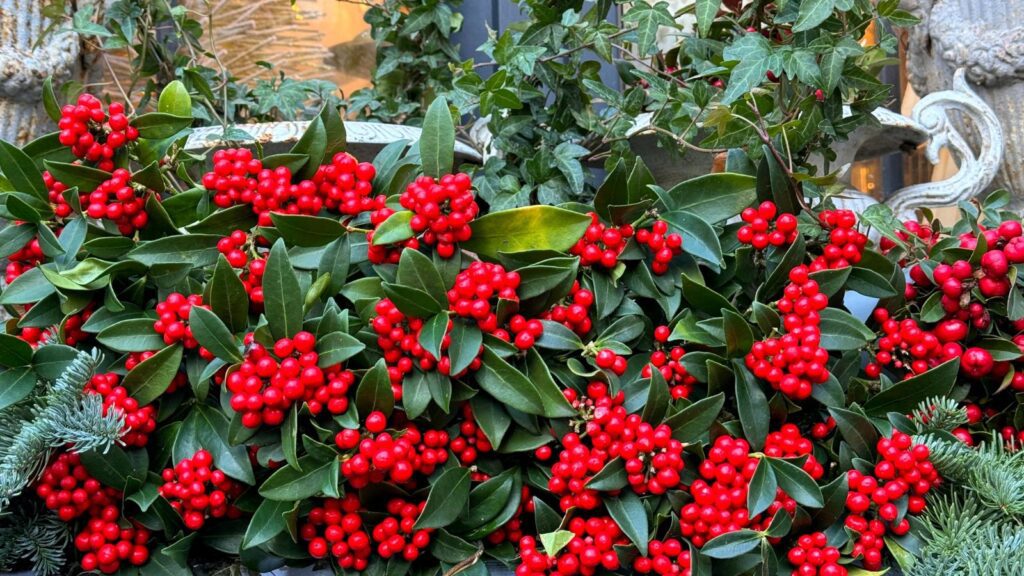
Berries brighten up the winter landscape and attract wildlife. Winterberry holly and beautyberry, for example, have bright red or purple berries that last into winter.
These berries feed birds and support local ecosystems. Some shrubs keep their berries well into the cold months. Place them where you’ll see the color; they’re worth showing off.
Perennials and Grasses That Shine in Snow
Some plants just bring a Colorado winter garden to life. They offer unique textures, hold their shape under snow, and stay colorful even in the coldest months. These qualities make them essential for a garden that doesn’t quit in winter.
Ornamental Grasses for Texture
Ornamental grasses like Miscanthus, feather reed grass, and switchgrass add texture to snowy gardens. Their tall, arching forms catch snow and ice, turning into natural sculptures.
Many grasses stay upright and colorful well into winter. Pampas grass and big bluestem can reach several feet tall and offer privacy even in the off-season.
Cut back ornamental grasses in early spring, after the snow melts. Leave old growth through winter to hold snow and attract birds.
Perennials with Evergreen Foliage
Some perennials keep green leaves all winter. Hellebores and certain sedums hang on through snow and frost, providing steady color.
Evergreen tree perennials add structure to winter beds, creating a year-round foundation. Their leaves resist frost and keep the garden from looking empty.
They work best near paths or entrances, where you’ll notice their winter green the most.
Seed Heads and Winter Interest
Dried seed heads from perennial flowers and grasses add visual interest when blooms fade. They catch frost and snow, sparkling in winter sunlight.
Coneflowers and black-eyed Susans leave sturdy seed heads that add detail and attract birds. Leaving seed heads up supports wildlife and adds texture without extra effort.
Low-Growing Groundcovers and Vines
Low-growing plants and vines bring texture and color to Colorado winter gardens. They hold their leaves or interesting features through snow, brightening otherwise dull spots.
These plants also help prevent soil erosion and cover bare patches.
Groundcovers That Retain Color
Some groundcovers keep their leaves and color even when it’s freezing. Creeping juniper, Albyn Prostrata Scotch Pine, and some blue beard (Caryopteris) varieties stay green or blue-green under snow.
They’re drought and cold-tolerant, which is crucial for Colorado winters. Deciduous groundcovers like Virginia creeper turn bright red in fall, adding a burst of color before winter sets in.
Some herbaceous perennials die back but still give winter structure with their stems and seed heads.
Vines with Winter Features
Vines can cover walls, fences, or rocks, adding vertical interest when everything else is flat. Hardy vines, like Virginia creeper and Boston ivy, show colorful fall leaves that sometimes hang on into early winter.
Their bare branches offer a striking texture against snow and can provide shelter for birds. Evergreen vines are rare but include some winter honeysuckle types, which keep their leaves and add winter appeal.
Even vines that lose leaves still bring character with their woody stems, often climbing up structures and creating interesting shadows in low winter sun.
Incorporating Seasonal Accents and Features
Carefully chosen accents and features can enhance winter gardens. Elements like texture, color, and lighting can make a significant difference. Use containers, ground coverings, and lighting to keep things interesting.
When you combine these elements with plants that handle Colorado’s cold, you can create a garden that’s inviting even when everything else feels frozen.
Using Planters for Winter Displays
Planters give you the freedom to change up your winter displays whenever you feel like it. Toss in evergreen branches, pinecones, holly berries, or even some ornamental grasses; they’ll pop against a snowy backdrop.
Ceramic, metal, or wood containers tend to handle the cold best. You can set planters on porches, patios, or right by the entryway to instantly draw the eye.
Try grouping pots of different heights or shapes for more depth. Toss in some red twigged dogwood or dried seed heads for a splash of color. In case of extreme weather, bring your planters inside to protect any fragile plants.
Decorative Mulch and Hardscaping
Mulch and hardscape features add contrast and structure, especially when everything else feels dormant. Dark bark or stone mulch makes plant shapes and colors stand out, even on the grayest days.
Mulch insulates roots during freezes, which helps shrubs and perennial flowers stay healthy. Gravel paths or stepping stones carve out clean lines and make it easier to get around when there’s snow on the ground.
Hardscape elements like raised beds, benches, or a rock wall add texture that sticks around all year. The garden’s quiet makes their simple forms pop, so things look organized even when growth slows down.
Seasonal Lighting Ideas
Lighting lets you enjoy your garden long after sunset in winter. LED string lights, spotlights, and lanterns can highlight interesting plant textures or unique landscape features.
Warm white lights look great against snow and give off a cozy vibe. You might use them to highlight an evergreen tree, some ornamental bark, or clusters of white flowers and berries.
Solar or low-voltage lights keep energy use down and are pretty easy to set up. Motion sensors or timers help the lights work only when you need them. Tucking lights low among plants or along paths adds both safety and a bit of charm.
Maintenance Tips for Winter Landscapes
Winter landscapes need a little extra care if you want to keep things looking good. Prune plants to help them hold their shape and stay healthy. Protecting them from snow and ice goes a long way to preventing breakage.
Pruning for Winter Shape
Prune before heavy winter weather sets in. Take off dead or weak branches so plants stay balanced and don’t get weighed down by snow. That way, you’re less likely to see branches snap under ice.
Trim evergreens and shrubs to keep them tidy, but don’t go overboard in late fall. Heavy pruning too late can push out new growth that won’t survive the freeze.
Always use clean, sharp tools for pruning. Cut branches at a slight angle to shed water and avoid rot. Pruning lets plants use their energy more efficiently while they’re dormant.
Protecting Plants from Snow and Ice
Snow and ice can mess with plants by weighing down branches or even causing frost cracks. After a storm, gently shake snow off branches to help prevent breakage.
Wrap fragile trunks and branches with burlap to shield them from ice and windburn. Skip the plastic as it traps moisture and can cause rot, especially in poorly draining soil.
Spread mulch around the base of plants to insulate roots and keep moisture in during cold months. Check your plants now and then for ice buildup.
If you see any, remove them carefully. This will help reduce stress and damage. Honestly, it’s a bit of work, but your garden will thank you come spring.
Designing a Winter Landscape Plan for Colorado
Designing a winter landscape in Colorado? It’s all about structure, color, and year-round interest. Since so many plants go dormant here, you’ve got to pick species that can handle cold and still look good when the snow hits.
Evergreens like pines, spruces, and junipers play a huge role. They keep their needles through the rough months and give your garden a backbone that lasts. Oaks hang onto their leaves deep into winter, which adds a bit of texture and those soft brown hues that break up the white.
Want more color? Try berry-producing shrubs. Holly, winterberry, or red twigged dogwood can really pop against the snow and bare branches. These also give birds a reason to stick around.
Container gardening adds flexibility. If you use pots for winter bloomers or perennial flowers, you can move them around to catch the sun or protect them from nasty weather. It’s a bit of a game, but worth it.
Think about where you’ll see your winter plants the most. Shrubs and evergreens near walkways or windows make the cold season feel less harsh. Sometimes, you want to catch a glimpse of green or even white flowers while you sip your morning coffee.
Don’t forget the extras. Decorative accents like garden structures, rocks, or mulch can bring out the best in your plants. They add texture, and honestly, sometimes they steal the show when everything else is sleeping.
SOLMAUNA Creations & Landscaping Designs in Colorado
Our team of landscape designers brings a unique combination of landscape architecture education paired with extensive knowledge of plants to the table. Contact us today.