Common Colorado Landscaping Mistakes (and How a Designer Helps You Avoid Them)
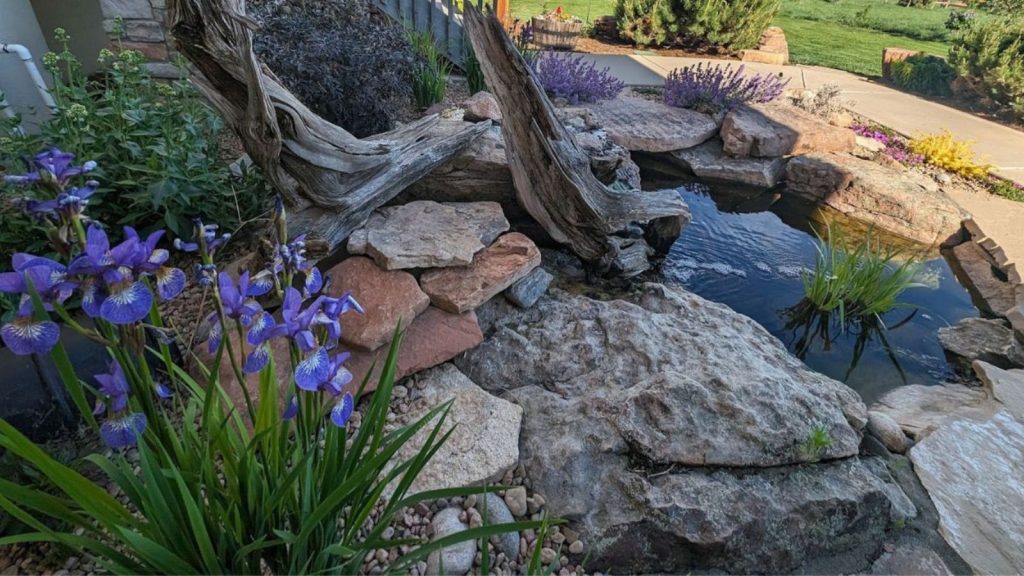
Starting a landscaping project in Colorado often begins with big ideas and inspiration, but common landscaping mistakes can quickly create problems once the work is complete. A yard may look beautiful initially, yet struggle with drainage, require more upkeep than expected, or fail to handle Colorado’s changing weather conditions over time.
Colorado landscapes deal with dry air, intense sun, temperature swings, snow, and challenging soil conditions. What works well in another region may not perform the same way here.
That is why thoughtful planning matters early in the process. A professional landscape designer helps you avoid costly mistakes while creating an outdoor space that fits your property, lifestyle, and maintenance goals.
Choosing Plants That Do Not Fit Colorado’s Climate
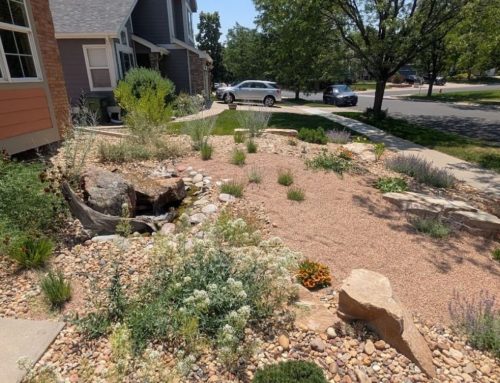
One of the most common landscaping mistakes is choosing plants based only on appearance. A plant may look great at the nursery but struggle with Colorado’s dry climate, elevation, and seasonal temperature swings.
Many homeowners end up replacing plants that were never suited for local conditions or dealing with landscapes that require more watering and upkeep than expected.
A landscape designer helps you select drought-tolerant, climate-appropriate plants that perform better long-term while reducing maintenance needs.
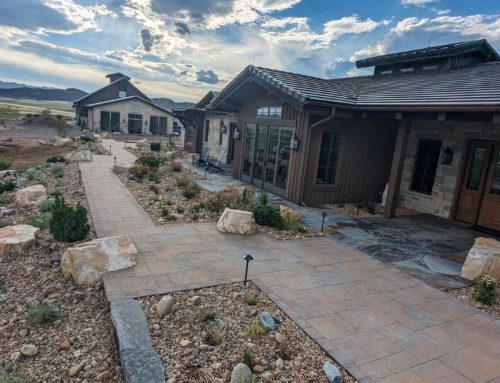
The same approach applies to materials, since some surfaces crack, fade, or shift more quickly under Colorado’s freeze-thaw cycles and strong sun exposure.
Ignoring Drainage and Grading Issues
Drainage problems are easy to overlook during the design phase, but they often become noticeable after heavy rain or snowmelt. Water may begin pooling near the home, collecting on patios, or washing away sections of the yard.
Poor drainage can lead to:
-
Soil erosion
-
Damaged plants
-
Cracked hardscapes
-
Muddy lawn areas
-
Foundation concerns
In many cases, the issue starts with improper grading or a lack of drainage planning.
A landscape designer evaluates how water naturally moves across the property before installation begins. Small adjustments to grading, drainage systems, and hardscape placement can help prevent larger repair costs later.
Good drainage planning may not be the most visible part of a landscape project, but it has a major impact on long-term performance.
Trying to Fit Too Much Into the Yard
Many homeowners pull inspiration from social media and home improvement shows, then try to include every feature in one space. Without a clear plan, fire pits, pergolas, outdoor kitchens, oversized patios, and large planting beds can make the yard feel crowded instead of relaxing.
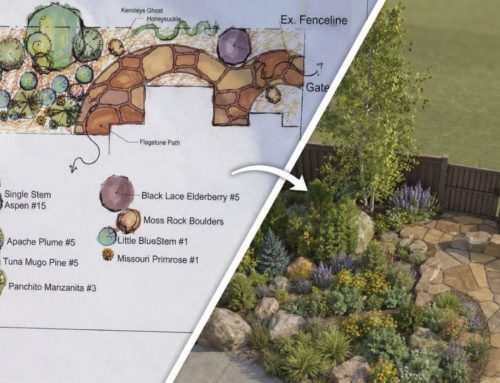
A landscape designer helps prioritize features based on how you actually use the space, whether that means entertaining, improving privacy, or reducing maintenance. Professional planning keeps the layout balanced, functional, and easier to enjoy over time.
This often includes:
-
Creating better movement through the yard
-
Separating gathering and relaxation areas
-
Improving transitions between spaces
-
Leaving room for future additions if needed
A well-planned landscape feels simpler, cleaner, and easier to enjoy.
Underestimating Maintenance Requirements
Some landscapes look impressive when first installed, but become harder to care for over time. Large lawns, fast-growing shrubs, and high-maintenance plants often need more trimming, watering, and seasonal upkeep than expected.
Over time, maintenance can become overwhelming.
A landscape designer helps you choose plants and materials that match how much time you want to spend on upkeep. If you prefer a low-maintenance yard, that can be built into the design from the start.
For example:
-
Native plants need less water
-
Mulch helps reduce weeds and keep the soil moist
-
Proper spacing prevents plants from overcrowding
-
Perennials reduce the need for replanting
The goal is a yard that is easier to care for and stays manageable over time.
Poor Outdoor Space Planning
A yard can look attractive but still be difficult to use. Patios may be too small, pathways may not connect well, or seating areas may get too much sun.
Without proper planning, the space may not fit how you actually live.
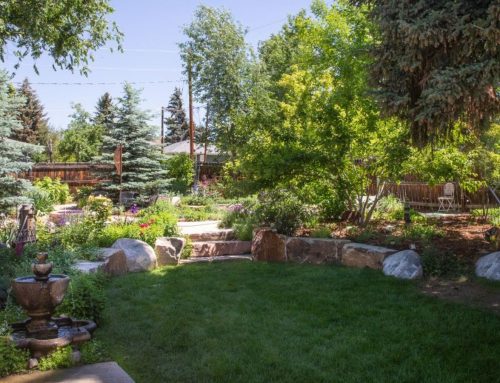
Landscape design focuses on both how the yard looks and how it works. A designer plans where people will gather, how they will move through the space, and where shade or privacy is needed.
This often considers:
-
Where people will gather
-
Which areas need shade or privacy
-
How pathways should connect
-
How much seating or dining space is needed
-
Which views to highlight or block
These details help create a yard that feels easy to use and comfortable every day.
Focusing Only on Upfront Costs
Budget is important, but choosing the cheapest option can lead to bigger problems later. Low-quality materials or poor planning may lead to repairs, replacements, or additional maintenance.
This is especially true in Colorado, where the weather can wear down materials faster.
A landscape designer helps you choose based on durability, maintenance, and long-term value—not just the upfront price.
This can help avoid issues like:
-
Replacing plants too often
-
Fixing shifting pavers
-
Repairing drainage problems
-
Using materials that don’t hold up well
Choosing wisely early on can save time, money, and stress later.
Why Professional Landscape Design Matters
Landscape projects involve far more than choosing plants or adding hardscape. Drainage, grading, climate conditions, maintenance expectations, and long-term usability all need to work together.
Professional planning helps reduce costly mistakes while creating a landscape that fits both your property and lifestyle.
Working with an experienced design team can help you:
-
Improve drainage and water management
-
Choose materials suited for Colorado weather
-
Create better flow throughout the yard
-
Build a more functional outdoor space
-
Develop a landscape that remains easier to maintain
A well-designed landscape should not only look good when the project is finished but also remain functional, durable, and easier to maintain for years to come.
SOLMAUNA Creations & Landscaping Designs in Colorado
Our team of landscape designers brings a unique combination of landscape architecture education paired with extensive knowledge of plants to the table. Contact us today.
Common Colorado Landscaping Mistakes (and How a Designer Helps You Avoid Them)
Starting a landscaping project in Colorado often begins with big ideas and inspiration, but common landscaping mistakes can quickly create problems once the work is complete. A yard may look beautiful initially, yet struggle with drainage, require more upkeep than expected, or fail to handle Colorado’s changing weather conditions over time.
Colorado landscapes deal with dry air, intense sun, temperature swings, snow, and challenging soil conditions. What works well in another region may not perform the same way here.
That is why thoughtful planning matters early in the process. A professional landscape designer helps you avoid costly mistakes while creating an outdoor space that fits your property, lifestyle, and maintenance goals.
Choosing Plants That Do Not Fit Colorado’s Climate
One of the most common landscaping mistakes is choosing plants based only on appearance. A plant may look great at the nursery but struggle with Colorado’s dry climate, elevation, and seasonal temperature swings.
Many homeowners end up replacing plants that were never suited for local conditions or dealing with landscapes that require more watering and upkeep than expected.
A landscape designer helps you select drought-tolerant, climate-appropriate plants that perform better long-term while reducing maintenance needs.
The same approach applies to materials, since some surfaces crack, fade, or shift more quickly under Colorado’s freeze-thaw cycles and strong sun exposure.
Ignoring Drainage and Grading Issues
Drainage problems are easy to overlook during the design phase, but they often become noticeable after heavy rain or snowmelt. Water may begin pooling near the home, collecting on patios, or washing away sections of the yard.
Poor drainage can lead to:
-
Soil erosion
-
Damaged plants
-
Cracked hardscapes
-
Muddy lawn areas
-
Foundation concerns
In many cases, the issue starts with improper grading or a lack of drainage planning.
A landscape designer evaluates how water naturally moves across the property before installation begins. Small adjustments to grading, drainage systems, and hardscape placement can help prevent larger repair costs later.
Good drainage planning may not be the most visible part of a landscape project, but it has a major impact on long-term performance.
Trying to Fit Too Much Into the Yard
Many homeowners pull inspiration from social media and home improvement shows, then try to include every feature in one space. Without a clear plan, fire pits, pergolas, outdoor kitchens, oversized patios, and large planting beds can make the yard feel crowded instead of relaxing.
A landscape designer helps prioritize features based on how you actually use the space, whether that means entertaining, improving privacy, or reducing maintenance. Professional planning keeps the layout balanced, functional, and easier to enjoy over time.
This often includes:
-
Creating better movement through the yard
-
Separating gathering and relaxation areas
-
Improving transitions between spaces
-
Leaving room for future additions if needed
A well-planned landscape feels simpler, cleaner, and easier to enjoy.
Underestimating Maintenance Requirements
Some landscapes look impressive when first installed, but become harder to care for over time. Large lawns, fast-growing shrubs, and high-maintenance plants often need more trimming, watering, and seasonal upkeep than expected.
Over time, maintenance can become overwhelming.
A landscape designer helps you choose plants and materials that match how much time you want to spend on upkeep. If you prefer a low-maintenance yard, that can be built into the design from the start.
For example:
-
Native plants need less water
-
Mulch helps reduce weeds and keep the soil moist
-
Proper spacing prevents plants from overcrowding
-
Perennials reduce the need for replanting
The goal is a yard that is easier to care for and stays manageable over time.
Poor Outdoor Space Planning
A yard can look attractive but still be difficult to use. Patios may be too small, pathways may not connect well, or seating areas may get too much sun.
Without proper planning, the space may not fit how you actually live.
Landscape design focuses on both how the yard looks and how it works. A designer plans where people will gather, how they will move through the space, and where shade or privacy is needed.
This often considers:
-
Where people will gather
-
Which areas need shade or privacy
-
How pathways should connect
-
How much seating or dining space is needed
-
Which views to highlight or block
These details help create a yard that feels easy to use and comfortable every day.
Focusing Only on Upfront Costs
Budget is important, but choosing the cheapest option can lead to bigger problems later. Low-quality materials or poor planning may lead to repairs, replacements, or additional maintenance.
This is especially true in Colorado, where the weather can wear down materials faster.
A landscape designer helps you choose based on durability, maintenance, and long-term value—not just the upfront price.
This can help avoid issues like:
-
Replacing plants too often
-
Fixing shifting pavers
-
Repairing drainage problems
-
Using materials that don’t hold up well
Choosing wisely early on can save time, money, and stress later.
Why Professional Landscape Design Matters
Landscape projects involve far more than choosing plants or adding hardscape. Drainage, grading, climate conditions, maintenance expectations, and long-term usability all need to work together.
Professional planning helps reduce costly mistakes while creating a landscape that fits both your property and lifestyle.
Working with an experienced design team can help you:
-
Improve drainage and water management
-
Choose materials suited for Colorado weather
-
Create better flow throughout the yard
-
Build a more functional outdoor space
-
Develop a landscape that remains easier to maintain