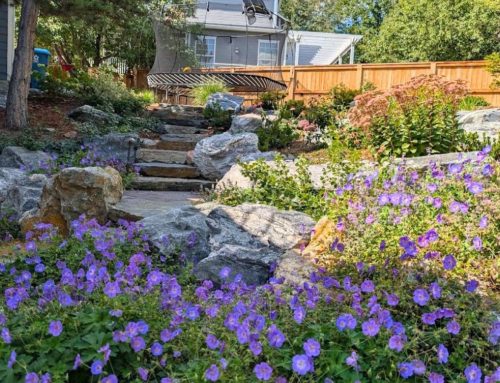
Maximizing Curb Appeal: Front Yard Transformations That Add Value

Maximizing Curb Appeal: Front Yard Transformations That Add Value
Front yard transformations often influence how a property is perceived from the street and can affect its overall value. A well-planned exterior layout improves visual appeal while also supporting practical features such as walkways, plant placement, and lighting across outdoor spaces.
Homeowners and property investors frequently focus on interior upgrades, yet the exterior entrance sets the first impression. Strategic front-yard transformations can reshape a home’s look through landscaping, structural features, and thoughtful design choices that complement the architecture while supporting plant growth and development.

Landscaping Upgrades That Improve Visual Impact

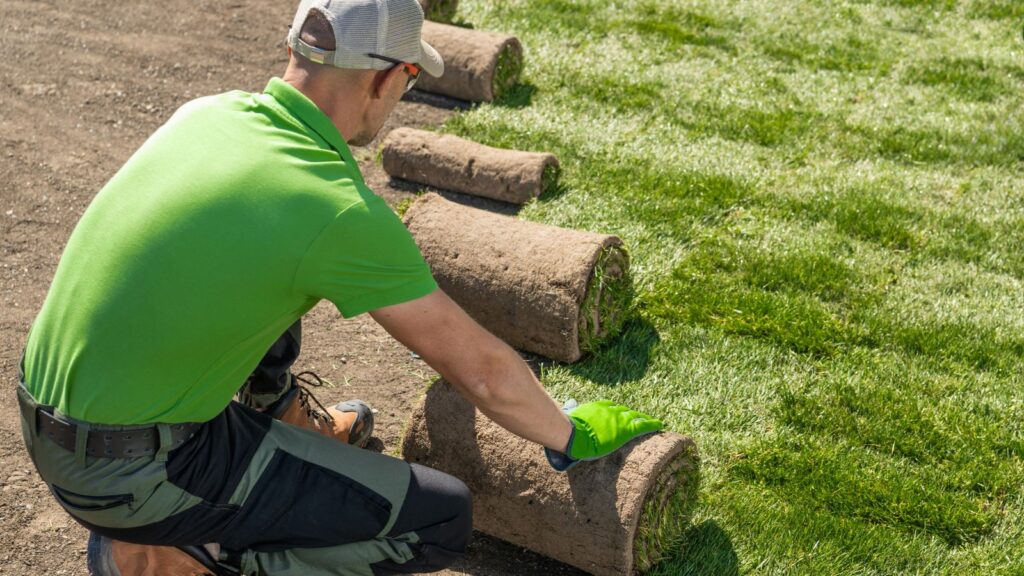
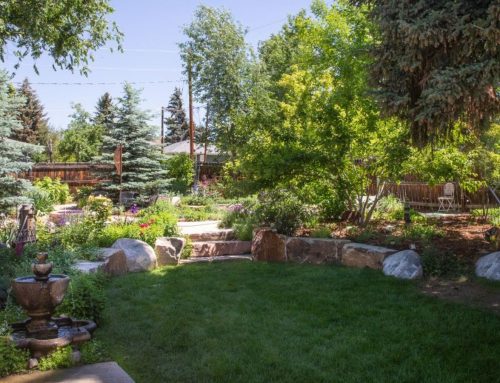
Landscaping forms the foundation of many successful front-yard transformations. Healthy lawns, balanced plant arrangements, and defined borders create a clean appearance that enhances the home’s structure and may include a wide range of greenery.
Plants selected for the local climate help maintain consistent curb appeal throughout the year. Native shrubs and flowers support plants and animals within the landscape while improving soil conditions.
Some landscaping features commonly included in front yard transformations include:
  • Layered planting beds that combine shrubs, flowers, and ground cover, often including seasonal varieties
  • Defined edging or borders that separate lawns from walkways or driveways
  • Mulch or decorative stone that improves soil protection and helps regulate carbon dioxide exchange around roots
  • Symmetrical plant placement around entryways or porches
Together, these elements help organize the yard while drawing attention toward the front door.

Hardscape Features That Add Structure and Function

Hardscape elements introduce structure and durability to front yard transformations. These non-plant features shape the space layout and improve usability and access, especially near seating and gathering areas.
Walkways, patios, and retaining walls can guide movement through the yard and frame key visual areas. Some layouts also include seating areas or fire pits, while shade from large trees can help balance sunlight and comfort across the yard.
Common hardscape improvements used in front yard transformations include:
Feature
Purpose
Value Contribution
Walkways
Guide visitors to the entrance
Improves accessibility and visual direction
Retaining walls
Manage elevation changes
Adds structure and landscape definition
Decorative stone borders
Frame planting areas
Creates a polished, organized look
Entry steps or porch extensions
Enhance entry visibility
Strengthens focal point of the home
These additions can make the front yard feel more intentional and visually balanced.

Functional and Sustainable Upgrades for Lasting Value

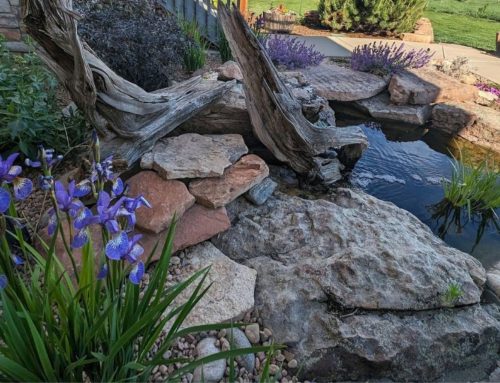
Front yard transformations can also improve usability and environmental impact. Incorporating water features like small fountains or ponds adds visual appeal while creating a calming atmosphere for outdoor spaces. These upgrades make yards more inviting for gatherings and relaxation.
Sustainable practices enhance long-term benefits. Installing efficient irrigation systems helps save water and reduce maintenance. Selecting native plants supports local plants and animals. Mulching and composting help soil retain moisture and nutrients, improving overall plant growth and development.
Additional functional improvements include:
  • Rain gardens to manage stormwater and prevent runoff
  • Permeable walkways that allow water absorption and reduce erosion
  • Seating areas or small decks that integrate naturally with landscaping
These upgrades make the yard more practical, environmentally friendly, and visually appealing, supporting both lifestyle and property value.

Lighting and Exterior Details That Enhance Curb Appeal

Lighting often plays an important role in front yard transformations, especially for evening visibility and safety. Strategic placement highlights landscaping and architectural details without overwhelming the design.
Low-voltage pathway lighting and landscape lights can guide movement along walkways and driveways. Accent lighting placed near trees or decorative water features helps create depth and visual interest during nighttime hours.
Additional exterior improvements that support front yard transformations include:
  • Updated house numbers with clear visibility
  • Coordinated mailbox and post designs
  • Painted or refinished entry doors
  • Matching outdoor fixtures such as lanterns or sconces
These upgrades remain relatively simple yet contribute to a more cohesive exterior appearance.

Maintenance Strategies That Protect Long-Term Value

Consistent upkeep ensures that front yard transformations continue to provide visual and financial benefits over time. Routine maintenance prevents landscaping or structural features from appearing neglected.
Seasonal trimming, lawn care, and irrigation adjustments keep plant growth controlled and healthy. Regular cleaning of walkways, lighting fixtures, and exterior surfaces also helps preserve the overall appearance of the yard.
Several maintenance practices support long-lasting front yard transformations:
  • Scheduled lawn mowing and edging
  • Seasonal plant replacement or pruning
  • Inspection of pathway lighting and wiring
  • Cleaning of stone, brick, or paved surfaces
When maintained properly, these improvements can extend the lifespan of landscape investments while sustaining strong curb appeal.
SOLMAUNA Creations & Landscaping Designs in Colorado
Our team of landscape designers brings a unique combination of landscape architecture education paired with extensive knowledge of plants to the table. Contact us today.

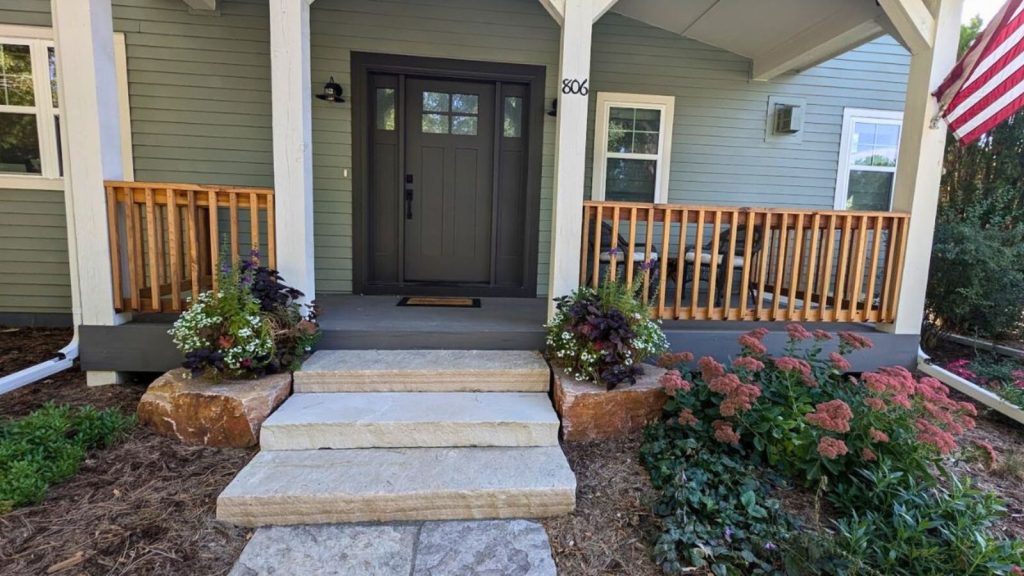
Maximizing Curb Appeal: Front Yard Transformations That Add Value

Maximizing Curb Appeal: Front Yard Transformations That Add Value
Front yard transformations often influence how a property is perceived from the street and can affect its overall value. A well-planned exterior layout improves visual appeal while also supporting practical features such as walkways, plant placement, and lighting across outdoor spaces.
Homeowners and property investors frequently focus on interior upgrades, yet the exterior entrance sets the first impression. Strategic front-yard transformations can reshape a home’s look through landscaping, structural features, and thoughtful design choices that complement the architecture while supporting plant growth and development.

Landscaping Upgrades That Improve Visual Impact

Landscaping forms the foundation of many successful front-yard transformations. Healthy lawns, balanced plant arrangements, and defined borders create a clean appearance that enhances the home’s structure and may include a wide range of greenery.
Plants selected for the local climate help maintain consistent curb appeal throughout the year. Native shrubs and flowers support plants and animals within the landscape while improving soil conditions.
Some landscaping features commonly included in front yard transformations include:
  • Layered planting beds that combine shrubs, flowers, and ground cover, often including seasonal varieties
  • Defined edging or borders that separate lawns from walkways or driveways
  • Mulch or decorative stone that improves soil protection and helps regulate carbon dioxide exchange around roots
  • Symmetrical plant placement around entryways or porches
Together, these elements help organize the yard while drawing attention toward the front door.

Hardscape Features That Add Structure and Function

Hardscape elements introduce structure and durability to front yard transformations. These non-plant features shape the space layout and improve usability and access, especially near seating and gathering areas.
Walkways, patios, and retaining walls can guide movement through the yard and frame key visual areas. Some layouts also include seating areas or fire pits, while shade from large trees can help balance sunlight and comfort across the yard.
Common hardscape improvements used in front yard transformations include:
Feature
Purpose
Value Contribution
Walkways
Guide visitors to the entrance
Improves accessibility and visual direction
Retaining walls
Manage elevation changes
Adds structure and landscape definition
Decorative stone borders
Frame planting areas
Creates a polished, organized look
Entry steps or porch extensions
Enhance entry visibility
Strengthens focal point of the home
These additions can make the front yard feel more intentional and visually balanced.

Functional and Sustainable Upgrades for Lasting Value

Front yard transformations can also improve usability and environmental impact. Incorporating water features like small fountains or ponds adds visual appeal while creating a calming atmosphere for outdoor spaces. These upgrades make yards more inviting for gatherings and relaxation.
Sustainable practices enhance long-term benefits. Installing efficient irrigation systems helps save water and reduce maintenance. Selecting native plants supports local plants and animals. Mulching and composting help soil retain moisture and nutrients, improving overall plant growth and development.
Additional functional improvements include:
  • Rain gardens to manage stormwater and prevent runoff
  • Permeable walkways that allow water absorption and reduce erosion
  • Seating areas or small decks that integrate naturally with landscaping
These upgrades make the yard more practical, environmentally friendly, and visually appealing, supporting both lifestyle and property value.

Lighting and Exterior Details That Enhance Curb Appeal

Lighting often plays an important role in front yard transformations, especially for evening visibility and safety. Strategic placement highlights landscaping and architectural details without overwhelming the design.
Low-voltage pathway lighting and landscape lights can guide movement along walkways and driveways. Accent lighting placed near trees or decorative water features helps create depth and visual interest during nighttime hours.
Additional exterior improvements that support front yard transformations include:
  • Updated house numbers with clear visibility
  • Coordinated mailbox and post designs
  • Painted or refinished entry doors
  • Matching outdoor fixtures such as lanterns or sconces
These upgrades remain relatively simple yet contribute to a more cohesive exterior appearance.

Maintenance Strategies That Protect Long-Term Value

Consistent upkeep ensures that front yard transformations continue to provide visual and financial benefits over time. Routine maintenance prevents landscaping or structural features from appearing neglected.
Seasonal trimming, lawn care, and irrigation adjustments keep plant growth controlled and healthy. Regular cleaning of walkways, lighting fixtures, and exterior surfaces also helps preserve the overall appearance of the yard.
Several maintenance practices support long-lasting front yard transformations:
  • Scheduled lawn mowing and edging
  • Seasonal plant replacement or pruning
  • Inspection of pathway lighting and wiring
  • Cleaning of stone, brick, or paved surfaces
When maintained properly, these improvements can extend the lifespan of landscape investments while sustaining strong curb appeal.
SOLMAUNA Creations & Landscaping Designs in Colorado
Our team of landscape designers brings a unique combination of landscape architecture education paired with extensive knowledge of plants to the table. Contact us today.