Flame vs. Frost: Gas vs. Wood Fire Pits for -10°F Northern Colorado Nights
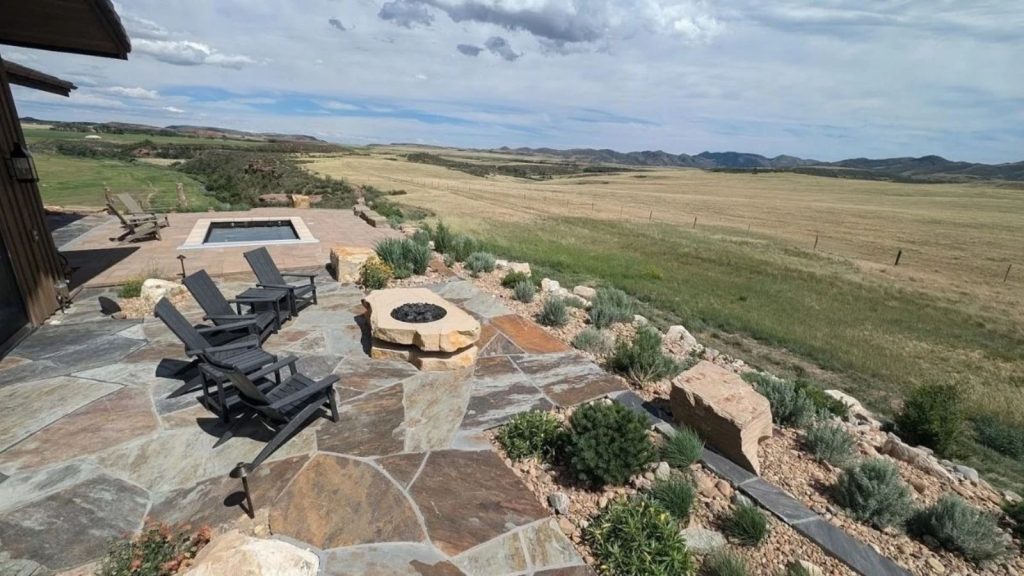
When Northern Colorado temperatures approach -10°F, homeowners need to consider more than a fire pit’s appearance. They need to know whether it can operate reliably in extreme cold, how much warmth reaches the seating area, and how much effort it takes to maintain the fire.
Choosing between gas vs. wood fire pits involves different trade-offs. Gas offers convenient ignition and adjustable flames, while wood requires more preparation and attention. At these temperatures, the better choice depends on the appliance’s cold-weather capabilities, fuel availability, and the conditions around the patio.
Gas vs. Wood Fire Pits: Heat and Everyday Convenience
One common misconception is that a taller flame necessarily provides more warmth. Actual comfort depends on the appliance’s heat output, the distance from the fire, wind exposure, and how effectively radiant heat reaches people sitting nearby.
Gas fire pits offer adjustable flames within the appliance’s operating range. Wood-burning models produce changing levels of heat as logs ignite, burn down, and need replenishing. A well-maintained wood fire can provide substantial radiant heat, but its output depends on the firewood, airflow, and fire pit design.
When comparing gas vs. wood fire pits for subzero weather, consider the appliance’s rated heat output, design, and operating requirements rather than judging warmth by flame size alone.
These differences affect how each option performs during a winter gathering.
Consideration |
Gas Fire Pit |
Wood Fire Pit |
|---|---|---|
Starting the fire |
Usually quick when the system operates correctly |
Requires kindling and suitable firewood |
Flame control |
Usually adjustable within the appliance’s limits |
Depends on fuel quantity and arrangement |
Heat consistency |
Relatively steady when fuel supply and operating conditions remain suitable |
Changes as logs burn and require replenishing |
Smoke |
Typically produces less smoke during normal operation |
Produces smoke depending on wood condition and combustion |
Fuel preparation |
Requires propane or a natural gas connection |
Requires dry, seasoned firewood |
Cleanup |
Generally requires less cleanup |
Requires ash removal and fire pit maintenance |
Gas may suit homeowners who want to start a fire with minimal preparation and adjust the flame during a gathering. Wood may appeal to those who enjoy tending a fire and do not mind adding logs as needed.
At -10°F, neither fuel type automatically produces a warmer seating area. A wood fire can provide substantial radiant heat, while a gas model offers adjustable output when its fuel supply and operating conditions remain suitable.
Plan the Seating Area Around the Fire
A fire pit can produce substantial heat while leaving some guests uncomfortable. This often happens when seating is too far from the flame or the patio is exposed to winter winds.
Wind can disrupt flames and carry heat away from the seating area. With wood-burning models, it can also push smoke toward guests, doors, or nearby windows. Gas models can experience wind-related performance problems depending on burner design and exposure.
Before selecting a location, consider:
-
The patio’s exposure to prevailing winter winds
-
The distance between the fire pit and seating
-
Access to doors, walkways, and other outdoor areas
-
Required clearances from buildings and combustible materials
-
Nearby walls, fences, and overhead structures
A suitable windbreak may improve comfort, but it must not interfere with ventilation or required clearances. Covered patios require particular attention because some fire pits are approved only for open-air installations.
Seating arrangements should account for the appliance’s heat output and manufacturer requirements. People close enough to receive radiant heat may feel comfortable while those across the patio remain cold.
Planning the seating area before installation helps homeowners make better use of the available warmth without assuming that a larger fire pit will solve every comfort problem.
Prepare for Fuel and Equipment Limitations
Extreme cold can expose fuel-supply limitations that are less noticeable in milder weather. The differences between propane, natural gas, and firewood become particularly important when temperatures approach -10°F.
Propane fire pits need an adequate fuel supply. Cold temperatures can reduce propane vaporization, affecting how much gas is available to the appliance. Tank size, fuel level, demand, and equipment specifications all influence performance.
Natural gas models depend on a suitable gas connection. They avoid portable-tank management, but the supply line must provide the pressure and flow required by the appliance. Installation and operating requirements vary by model.
Wood fire pits depend on dry, properly stored firewood. Wood exposed to snow or moisture can be harder to ignite and may produce more smoke. Keeping seasoned wood in a protected, accessible location makes winter use more predictable.
Before purchasing a model for extreme cold, check its minimum operating temperature, fuel requirements, rated heat output, and wind-related operating limitations. If the manufacturer does not specify suitability for the expected conditions, ask the supplier before installation.
Inspect the equipment before use and follow the manufacturer’s instructions. Never use a torch, heater, or other direct heat source to warm a propane cylinder.
Choose a Fire Pit That Fits Your Property
Fuel and heat output are only part of the decision. The property’s layout, installation requirements, and intended use also determine whether a particular fire pit is practical.
Before making a decision, consider:
-
Installation requirements: Confirm the approved location, base, and clearances for the selected model.
-
Fuel access: Evaluate the practicality of a natural gas connection, propane supply, or firewood storage.
-
Maintenance: Consider the inspections and cleaning each appliance requires.
-
Local restrictions: Check current fire rules before using a wood-burning model.
Gas installation may require a suitable gas line, regulators, or professional work. Wood-burning models need appropriate space for storing seasoned logs and managing ash. Both types must be installed according to manufacturer instructions and applicable local requirements.
A fire pit that fits the patio but cannot operate as intended in extreme cold may not meet the homeowner’s needs. Reviewing installation requirements and fuel arrangements before purchasing can help prevent that mismatch.
Choosing the Right Fire Pit for Winter
Choosing between gas vs. wood fire pits means balancing convenience, fuel management, and cold-weather performance. Gas generally offers easier operation and flame control, while wood provides a traditional fire experience that requires more hands-on attention.
For Northern Colorado homeowners, the best choice depends on the appliance’s rated heat output, its suitability for extreme cold, the patio’s wind exposure, and the reliability of the available fuel supply. Checking these factors before installation helps create an outdoor space that remains practical and enjoyable when temperatures fall below zero.
SOLMAUNA Creations & Landscaping Designs in Colorado
Our team of landscape designers brings a unique combination of landscape architecture education paired with extensive knowledge of plants to the table. Contact us today.
Flame vs. Frost: Gas vs. Wood Fire Pits for -10°F Northern Colorado Nights

When Northern Colorado temperatures approach -10°F, homeowners need to consider more than a fire pit’s appearance. They need to know whether it can operate reliably in extreme cold, how much warmth reaches the seating area, and how much effort it takes to maintain the fire.
Choosing between gas vs. wood fire pits involves different trade-offs. Gas offers convenient ignition and adjustable flames, while wood requires more preparation and attention. At these temperatures, the better choice depends on the appliance’s cold-weather capabilities, fuel availability, and the conditions around the patio.
Gas vs. Wood Fire Pits: Heat and Everyday Convenience
One common misconception is that a taller flame necessarily provides more warmth. Actual comfort depends on the appliance’s heat output, the distance from the fire, wind exposure, and how effectively radiant heat reaches people sitting nearby.
Gas fire pits offer adjustable flames within the appliance’s operating range. Wood-burning models produce changing levels of heat as logs ignite, burn down, and need replenishing. A well-maintained wood fire can provide substantial radiant heat, but its output depends on the firewood, airflow, and fire pit design.
When comparing gas vs. wood fire pits for subzero weather, consider the appliance’s rated heat output, design, and operating requirements rather than judging warmth by flame size alone.
These differences affect how each option performs during a winter gathering.
Consideration |
Gas Fire Pit |
Wood Fire Pit |
|---|---|---|
Starting the fire |
Usually quick when the system operates correctly |
Requires kindling and suitable firewood |
Flame control |
Usually adjustable within the appliance’s limits |
Depends on fuel quantity and arrangement |
Heat consistency |
Relatively steady when fuel supply and operating conditions remain suitable |
Changes as logs burn and require replenishing |
Smoke |
Typically produces less smoke during normal operation |
Produces smoke depending on wood condition and combustion |
Fuel preparation |
Requires propane or a natural gas connection |
Requires dry, seasoned firewood |
Cleanup |
Generally requires less cleanup |
Requires ash removal and fire pit maintenance |
Gas may suit homeowners who want to start a fire with minimal preparation and adjust the flame during a gathering. Wood may appeal to those who enjoy tending a fire and do not mind adding logs as needed.
At -10°F, neither fuel type automatically produces a warmer seating area. A wood fire can provide substantial radiant heat, while a gas model offers adjustable output when its fuel supply and operating conditions remain suitable.
Plan the Seating Area Around the Fire
A fire pit can produce substantial heat while leaving some guests uncomfortable. This often happens when seating is too far from the flame or the patio is exposed to winter winds.
Wind can disrupt flames and carry heat away from the seating area. With wood-burning models, it can also push smoke toward guests, doors, or nearby windows. Gas models can experience wind-related performance problems depending on burner design and exposure.
Before selecting a location, consider:
-
The patio’s exposure to prevailing winter winds
-
The distance between the fire pit and seating
-
Access to doors, walkways, and other outdoor areas
-
Required clearances from buildings and combustible materials
-
Nearby walls, fences, and overhead structures
A suitable windbreak may improve comfort, but it must not interfere with ventilation or required clearances. Covered patios require particular attention because some fire pits are approved only for open-air installations.
Seating arrangements should account for the appliance’s heat output and manufacturer requirements. People close enough to receive radiant heat may feel comfortable while those across the patio remain cold.
Planning the seating area before installation helps homeowners make better use of the available warmth without assuming that a larger fire pit will solve every comfort problem.
Prepare for Fuel and Equipment Limitations
Extreme cold can expose fuel-supply limitations that are less noticeable in milder weather. The differences between propane, natural gas, and firewood become particularly important when temperatures approach -10°F.
Propane fire pits need an adequate fuel supply. Cold temperatures can reduce propane vaporization, affecting how much gas is available to the appliance. Tank size, fuel level, demand, and equipment specifications all influence performance.
Natural gas models depend on a suitable gas connection. They avoid portable-tank management, but the supply line must provide the pressure and flow required by the appliance. Installation and operating requirements vary by model.
Wood fire pits depend on dry, properly stored firewood. Wood exposed to snow or moisture can be harder to ignite and may produce more smoke. Keeping seasoned wood in a protected, accessible location makes winter use more predictable.
Before purchasing a model for extreme cold, check its minimum operating temperature, fuel requirements, rated heat output, and wind-related operating limitations. If the manufacturer does not specify suitability for the expected conditions, ask the supplier before installation.
Inspect the equipment before use and follow the manufacturer’s instructions. Never use a torch, heater, or other direct heat source to warm a propane cylinder.
Choose a Fire Pit That Fits Your Property
Fuel and heat output are only part of the decision. The property’s layout, installation requirements, and intended use also determine whether a particular fire pit is practical.
Before making a decision, consider:
-
Installation requirements: Confirm the approved location, base, and clearances for the selected model.
-
Fuel access: Evaluate the practicality of a natural gas connection, propane supply, or firewood storage.
-
Maintenance: Consider the inspections and cleaning each appliance requires.
-
Local restrictions: Check current fire rules before using a wood-burning model.