From Blueprint to Backyard: How 3D Landscape Architecture Eliminates Guesswork

From Blueprint to Backyard: How 3D Landscape Architecture Eliminates Guesswork
Starting a landscape project often begins with ideas, inspiration photos, and a vision for how you want your outdoor space to look. However, translating those ideas into a finished landscape can be challenging when you’re looking at flat plans and technical drawings.
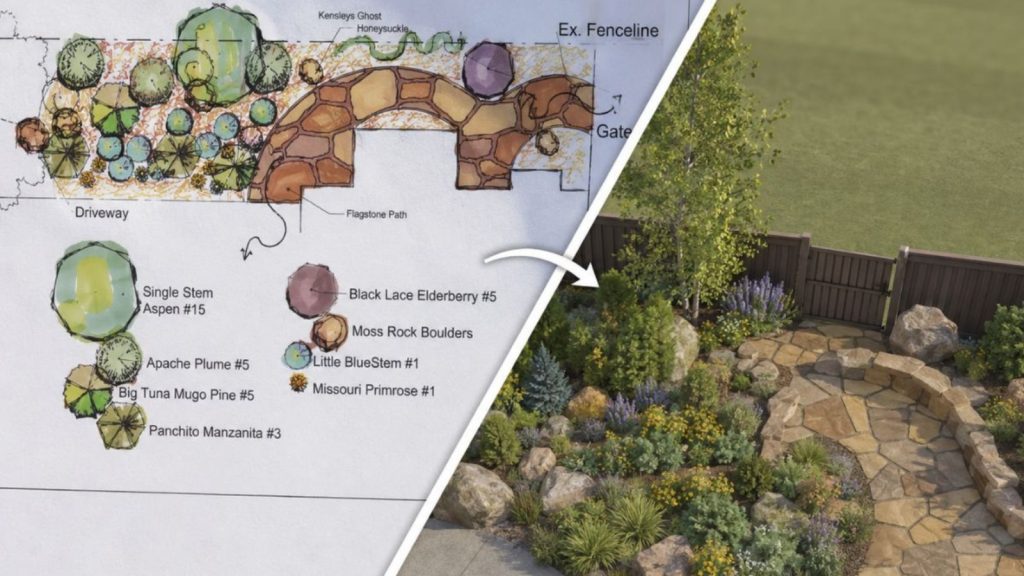
Many homeowners struggle to picture how patios, planting areas, pools, and outdoor living spaces will look once construction is complete. Even with detailed plans, it can be difficult to see how all the elements will come together in the finished landscape.
That is why many landscape projects now use 3D landscape architecture. Instead of relying solely on traditional drawings, homeowners can see a realistic representation of the finished space before construction begins.

Why Traditional Landscape Plans Can Be Difficult to Interpret

Landscape plans provide important information about dimensions, layouts, and construction details. However, they are not always easy for homeowners to visualize.
Most people are not used to reading site plans or architectural drawings. As a result, questions often remain even after reviewing the design.
Common concerns include:
  • How will different features feel in person
  • Whether pathways connect naturally through the yard
  • How planting beds will look once mature
  • How outdoor living spaces relate to one another
  • Which views will be visible from the home
Without a visual representation of the finished project, some uncertainty can remain during the planning process.

Seeing the Entire Landscape Before Construction Begins

One of the biggest advantages of 3D landscape architecture is the ability to view the project as a complete outdoor environment.
Rather than seeing individual features on a drawing, homeowners can understand how patios, gardens, pools, walkways, and gathering spaces work together throughout the property.
This makes it easier to evaluate:
  • The overall layout of the yard
  • Connections between different spaces
  • Privacy and screening areas
  • Views from key locations
  • How the design complements the home
Seeing the full design before construction starts often helps homeowners feel more comfortable with the final plan.

Making Changes Before Installation Starts

Landscape changes are typically easier and less expensive during the design phase than after construction begins.
Once homeowners see a realistic rendering of the project, they may notice areas they would like to adjust. A seating area may need more space. A pathway may feel too narrow. A feature may not fit the surrounding landscape as expected.
Making those adjustments early can help prevent:
  • Design revisions during construction
  • Material waste
  • Project delays
  • Layout concerns discovered too late
  • Additional construction costs
Addressing these issues before installation often leads to a smoother project overall.

Understanding Scale and Proportion

Scale can be difficult to judge from a traditional landscape plan.
A patio that appears large on paper may feel smaller once furniture is added. A pergola may look balanced in a drawing but appear much larger when viewed from the yard.
Three-dimensional renderings provide a better sense of how features relate to one another and to the property as a whole.
This can help homeowners evaluate:
  • Patio and deck sizes
  • Pool placement
  • Outdoor kitchen layouts
  • Garden bed dimensions
  • Seating areas
  • Shade structures
The goal is to create a landscape that feels comfortable and well-balanced once built.

Comparing Different Design Ideas

Many landscape projects involve multiple design possibilities.
Homeowners may be deciding between different materials, patio layouts, planting arrangements, or outdoor features. Looking at these options in three dimensions can make comparisons easier.
Rather than guessing how a change might affect the space, homeowners can review different concepts and choose the option that best fits their needs and preferences.

Improving Communication During the Project

Landscape projects often involve collaboration between homeowners, designers, and contractors.
A 3D design provides a common visual reference that everyone can discuss throughout the planning process. This reduces confusion and helps ensure the project moves forward with a shared understanding of the design.
Clear communication early in the project can help avoid misunderstandings later.

Creating a Landscape That Fits Your Lifestyle

A landscape should support the way you use your outdoor space, not simply look attractive.
Some homeowners want areas for entertaining. Others prefer quiet outdoor retreats, family gathering spaces, or low-maintenance landscapes.
A 3D design allows these goals to be considered before construction begins.
This often includes evaluating:
  • Traffic flow throughout the yard
  • Gathering and seating areas
  • Privacy needs
  • Sun and shade conditions
  • Connections between outdoor spaces
  • Important views across the property
These details help create a landscape that works well for everyday use.

Why 3D Landscape Architecture Matters

Landscape projects involve more than choosing plants and materials. Layout, scale, functionality, and long-term usability all play an important role in the final result.
Three-dimensional landscape architecture helps homeowners better understand those elements before construction begins. By visualizing the project early, it becomes easier to refine ideas, address concerns, and create a design that aligns with both the property and the homeowner’s goals.
A well-planned landscape should not only look good when construction is complete but also function well and remain enjoyable for years to come.

SOLMAUNA Creations & Landscaping Designs in Colorado

Our team of landscape designers brings a unique combination of landscape architecture education paired with extensive knowledge of plants to the table. Contact us today.

From Blueprint to Backyard: How 3D Landscape Architecture Eliminates Guesswork

From Blueprint to Backyard: How 3D Landscape Architecture Eliminates Guesswork
Starting a landscape project often begins with ideas, inspiration photos, and a vision for how you want your outdoor space to look. However, translating those ideas into a finished landscape can be challenging when you’re looking at flat plans and technical drawings.
Many homeowners struggle to picture how patios, planting areas, pools, and outdoor living spaces will look once construction is complete. Even with detailed plans, it can be difficult to see how all the elements will come together in the finished landscape.
That is why many landscape projects now use 3D landscape architecture. Instead of relying solely on traditional drawings, homeowners can see a realistic representation of the finished space before construction begins.

Why Traditional Landscape Plans Can Be Difficult to Interpret

Landscape plans provide important information about dimensions, layouts, and construction details. However, they are not always easy for homeowners to visualize.
Most people are not used to reading site plans or architectural drawings. As a result, questions often remain even after reviewing the design.
Common concerns include:
  • How will different features feel in person
  • Whether pathways connect naturally through the yard
  • How planting beds will look once mature
  • How outdoor living spaces relate to one another
  • Which views will be visible from the home
Without a visual representation of the finished project, some uncertainty can remain during the planning process.

Seeing the Entire Landscape Before Construction Begins

One of the biggest advantages of 3D landscape architecture is the ability to view the project as a complete outdoor environment.
Rather than seeing individual features on a drawing, homeowners can understand how patios, gardens, pools, walkways, and gathering spaces work together throughout the property.
This makes it easier to evaluate:
  • The overall layout of the yard
  • Connections between different spaces
  • Privacy and screening areas
  • Views from key locations
  • How the design complements the home
Seeing the full design before construction starts often helps homeowners feel more comfortable with the final plan.

Making Changes Before Installation Starts

Landscape changes are typically easier and less expensive during the design phase than after construction begins.
Once homeowners see a realistic rendering of the project, they may notice areas they would like to adjust. A seating area may need more space. A pathway may feel too narrow. A feature may not fit the surrounding landscape as expected.
Making those adjustments early can help prevent:
  • Design revisions during construction
  • Material waste
  • Project delays
  • Layout concerns discovered too late
  • Additional construction costs
Addressing these issues before installation often leads to a smoother project overall.

Understanding Scale and Proportion

Scale can be difficult to judge from a traditional landscape plan.
A patio that appears large on paper may feel smaller once furniture is added. A pergola may look balanced in a drawing but appear much larger when viewed from the yard.
Three-dimensional renderings provide a better sense of how features relate to one another and to the property as a whole.
This can help homeowners evaluate:
  • Patio and deck sizes
  • Pool placement
  • Outdoor kitchen layouts
  • Garden bed dimensions
  • Seating areas
  • Shade structures
The goal is to create a landscape that feels comfortable and well-balanced once built.

Comparing Different Design Ideas

Many landscape projects involve multiple design possibilities.
Homeowners may be deciding between different materials, patio layouts, planting arrangements, or outdoor features. Looking at these options in three dimensions can make comparisons easier.
Rather than guessing how a change might affect the space, homeowners can review different concepts and choose the option that best fits their needs and preferences.

Improving Communication During the Project

Landscape projects often involve collaboration between homeowners, designers, and contractors.
A 3D design provides a common visual reference that everyone can discuss throughout the planning process. This reduces confusion and helps ensure the project moves forward with a shared understanding of the design.
Clear communication early in the project can help avoid misunderstandings later.

Creating a Landscape That Fits Your Lifestyle

A landscape should support the way you use your outdoor space, not simply look attractive.
Some homeowners want areas for entertaining. Others prefer quiet outdoor retreats, family gathering spaces, or low-maintenance landscapes.
A 3D design allows these goals to be considered before construction begins.
This often includes evaluating:
  • Traffic flow throughout the yard
  • Gathering and seating areas
  • Privacy needs
  • Sun and shade conditions
  • Connections between outdoor spaces
  • Important views across the property
These details help create a landscape that works well for everyday use.

Why 3D Landscape Architecture Matters

Landscape projects involve more than choosing plants and materials. Layout, scale, functionality, and long-term usability all play an important role in the final result.
Three-dimensional landscape architecture helps homeowners better understand those elements before construction begins. By visualizing the project early, it becomes easier to refine ideas, address concerns, and create a design that aligns with both the property and the homeowner’s goals.
A well-planned landscape should not only look good when construction is complete but also function well and remain enjoyable for years to come.

SOLMAUNA Creations & Landscaping Designs in Colorado

Our team of landscape designers brings a unique combination of landscape architecture education paired with extensive knowledge of plants to the table. Contact us today.