What Features Make an Outdoor Living Space Usable Year-Round?
Outdoor living space design supports year-round use when shelter, heating, lighting, and durable materials work together to handle changing weather. Protected seating, dependable heat sources, and weather-resistant surfaces help maintain comfort across seasons.
Strategic layering blocks sun, wind, and rain while preserving visibility and safety. When warmth and clear sightlines are added, the outdoors becomes more usable throughout the year.
What Features Make an Outdoor Living Space Usable Year-Round?
Climate Control Solutions
Climate control systems should match the space size, local climate, and intended use. Efficient heating, targeted cooling, and wind barriers help retain warmth and improve comfort across seasons.
Heating Options for Cold Weather
Natural-gas or propane patio heaters provide steady warmth and quickly heat open areas when placed near seating. Using multiple smaller units creates more even coverage than a single oversized heater. Electric infrared heaters work well in covered patios by warming people and surfaces directly with quiet, efficient operation.
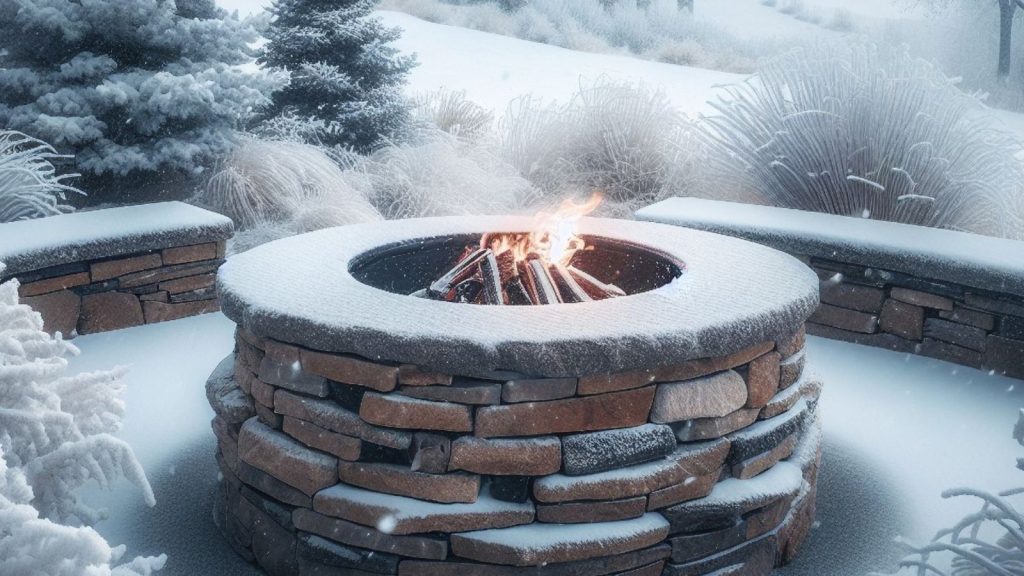
Fire features add both heat and visual appeal, with gas fire pits offering low-maintenance warmth and instant ignition. Wood-burning fire pits produce stronger radiant heat but require added clearance and code compliance. Insulation, thermal flooring, and wind-blocking sidewalls help retain heat and reduce overall energy use.
Cooling Features for Hot Seasons
Ceiling fans circulate air and lower perceived temperature without direct cooling. Outdoor-rated blades and multiple fan placements improve airflow in larger covered areas. When paired with shaded roofing, fans help limit heat buildup.
Misting systems cool through evaporation and perform best in dry climates, lowering temperatures around seating zones. Portable or ductless mini-split AC units provide targeted cooling for semi-enclosed areas with efficient inverter technology.
Strategic shading, such as retractable awnings, pergola-mounted screens, and UV-reflective fabrics, further reduces solar gain and cooling demand.
Enclosures and Wind Protection
Retractable screens and glass panels turn open patios into usable rooms by blocking wind and rain while preserving views. Frameless glass systems improve insulation, and all seals, tracks, and fasteners should meet local wind-load requirements.
Windbreak landscaping, fencing, operable walls, and insulated roll-up curtains reduce drafts and improve thermal control without permanent construction. When placed 10 to 20 feet from seating areas, these features slow airflow, allow ventilation in mild weather, and retain heat during colder conditions.
All-Weather Furnishings and Materials
Choose frames that resist rust and fabrics that shed water and block UV. Pick flooring that drains, cleans easily, and won’t warp with temperature changes. Use covers and storage to protect pieces during extreme weather.
Durable Outdoor Furniture Choices
Choose frames made from powder-coated aluminum, teak, or stainless steel. Powder-coated aluminum resists rust and stays light for easy rearranging.
Teak contains natural oils that repel water and insects, and it weathers to a stable gray without losing strength.
Select cushions with quick-dry foam and fabrics, such as Sunbrella or solution-dyed acrylic. These fabrics resist fading, mold, and mildew, and dry fast after rain. Avoid untreated woods and low-grade metals that corrode or swell.
Look for welded joints, reinforced corners, and UV-stable finishes. Removable cushion covers make cleaning and seasonal storage easier. Buy furniture with replaceable parts so that damaged pieces can be fixed without requiring a full replacement.
Weather-Resistant Flooring Materials
Use nonporous, slip-resistant surfaces where water gathers. Porcelain tile, sealed concrete, and composite decking shed water and stand up to freeze–thaw cycles. These materials resist stains and can be cleaned with a mop or pressure washer.
For wood options, select pressure-treated lumber or tropical hardwoods like ipe, then apply a water-repellent finish. Space boards to allow drainage and airflow to prevent rot. Add outdoor rugs made of polypropylene for comfort; they resist mildew and dry quickly.
Avoid soft woods and untreated stone that absorb moisture and crack. Install proper slope and drainage to direct water away from the house and furniture.
Protective Covers and Storage Solutions
Use fitted, breathable covers for sofas and dining sets to block rain while letting moisture escape. Breathable covers reduce trapped condensation that causes mildew. For cushions, use waterproof storage boxes or a ventilated shed to keep foam dry and extend its lifespan.
Choose storage solutions with drainage and airflow, like deck boxes with raised bases. For long winters, store cushions indoors and stack metal frames under a roof to avoid rust. Label storage containers and keep small repair kits (screws, touch-up paint) nearby to fix wear before it worsens.
Lighting and Ambiance Enhancements
Good outdoor lighting makes a space safe, usable, and inviting after dark. It blends broad glow, task lights for activities, and focused accents to shape the mood and improve function.
Layered Lighting for Year-Round Use
Three lighting layers improve usability: ambient, task, and accent. Ambient lighting provides general illumination through overhead fixtures or string lights. Warm 2700–3000K bulbs suit seating areas during evenings and cooler months.
Task lighting supports specific activities, such as food prep or dining. Brighter fixtures work best when positioned to avoid glare. Accent lighting highlights features like trees, steps, and architectural elements.
Dimmers and smart controls allow independent adjustment of each layer, supporting both functional tasks and relaxed social settings.
Weatherproof Lighting Fixtures
Outdoor-rated fixtures are essential. An IP65 rating protects against heavy rain and dust in exposed locations, while IP44 fixtures suit semi-covered areas.
Durable materials such as marine-grade stainless steel, die-cast aluminum, and powder-coated metal resist corrosion. Sealed LED modules and tempered glass prevent moisture intrusion and extend lifespan.
Solar and LED systems reduce energy use and maintenance. Hardwired fixtures should use GFCI-protected circuits installed by licensed electricians.
Functional Design for Seasonal Adaptation
Well-planned layouts adapt to changes in weather, daylight, and use. Thoughtful placement of furniture, technology, and landscaping supports comfort year-round.
Flexible Layouts and Modular Features
Furniture arranged in zones for cooking, dining, and lounging allows seasonal adjustment. Modular seating, stackable chairs, and storage ottomans simplify reconfiguration and storage.
Movable screens, roll-down shades, and retractable awnings provide adjustable shelter without permanent construction. Durable tables and weatherproof rugs simplify maintenance.
Clear circulation paths at least three feet wide reduce congestion and improve safety in wet or icy conditions. Storage positioned near seating areas speeds seasonal transitions.
Smart Outdoor Technology Integration
Targeted heating and lighting extend usable hours. Patio heaters perform best when positioned to distribute warmth evenly across seating groups.
Layered lighting improves function and safety, while smart controllers allow scheduling based on sunset, occupancy, or weather conditions.
Integrated outlets and weatherproof USB ports improve convenience. Smart sensors can trigger reminders or automated adjustments when conditions change.
Landscaping for Seasonal Comfort
A mix of evergreen and deciduous plants provides wind protection, shade, and seasonal variation. Evergreen hedges placed along cold exposures block winter winds without restricting summer airflow.
Layered planting beds moderate ground temperatures and reduce rain splash. Heat-tolerant container plants near seating create comfortable microclimates in summer.
Hardscape surfaces benefit from proper grading and permeable materials to prevent pooling. Tree placement and pergola orientation should shade the afternoon sun while allowing winter sunlight for warmth.
SOLMAUNA Creations & Landscaping Designs in Colorado
Our team of landscape designers brings a unique combination of landscape architecture education paired with extensive knowledge of plants to the table. Contact us today.