How a Professional Landscape Design Process Works: From Initial Vision to Final Walkthrough
The professional landscape design process starts by turning an initial vision into a clear plan. Every construction project must consider environmental conditions, existing structures, and outdoor living spaces. Early planning prevents potential issues and supports long-term maintenance.
A professional landscape design process transforms an initial vision into a well-planned, functional outdoor space. Every project must consider environmental conditions, existing structures, and how the space will be used for outdoor living.
Careful planning at the beginning helps prevent costly issues later and ensures the design remains practical and easy to maintain. By evaluating site conditions such as soil, drainage, sunlight, and terrain, designers can make informed decisions that support long-term success.
This guide walks through the key steps of a professional landscape design process—from the first consultation to the final walkthrough.
Initial Consultation and Site Assessment
Every successful landscape project starts with a detailed understanding of the space. During the initial consultation, designers evaluate both the property and the client’s goals to ensure the final design aligns with expectations.
Key elements of the site assessment include:
-
Measuring dimensions, slopes, and elevation changes
-
Evaluating soil quality and drainage conditions
-
Observing sunlight patterns and shaded areas
-
Identifying functional needs for outdoor living spaces
-
Reviewing existing structures and potential limitations
This step creates the foundation for a design that is both visually appealing and structurally sound.
Concept Development and Design Planning
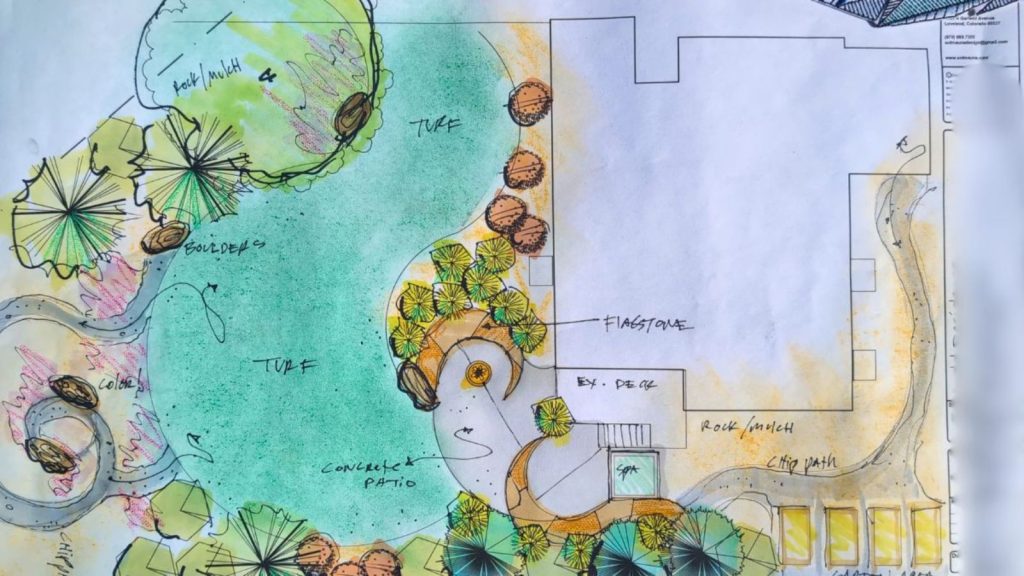
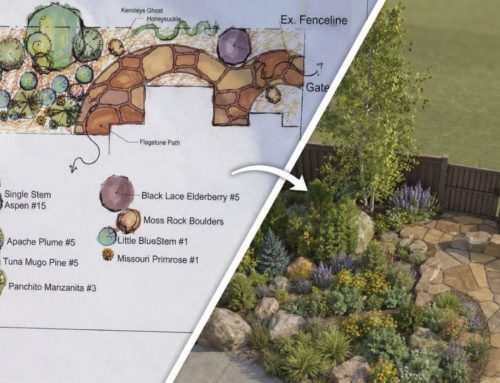
Once the site has been evaluated, the design process moves into concept development. This is where ideas begin to take shape through sketches, layouts, or advanced 3D renderings.
Key design considerations include:
-
Selecting plant materials suited to the local climate
-
Designing hardscape features such as patios, walkways, and water elements
-
Creating a natural flow between different areas of the landscape
-
Ensuring accessibility and functionality
-
Integrating the design with the home’s architecture
Visual tools like 3D models allow homeowners to better understand how the finished space will look and feel before installation begins.
Common Challenges in the Professional Landscape Design Process
Even with careful planning, challenges can arise during the design and installation process. Identifying these early helps keep projects on schedule and within budget.
Common challenges include:
-
Soil quality or drainage issues
-
Conflicts with existing structures or underground utilities
-
Material delays or availability issues
-
Complex installations such as water features or large hardscapes
-
Coordination between contractors and project teams
-
Long-term maintenance considerations
Addressing these factors early ensures a smoother process and a more durable, long-lasting result.
Implementation and Installation
During the installation phase, the design becomes a reality. Proper project management is critical to ensure everything is executed according to plan.
Key steps in the installation process:
-
Site preparation: Clearing debris, grading, and improving soil conditions
-
Hardscape construction: Building patios, walkways, retaining walls, and structural elements
-
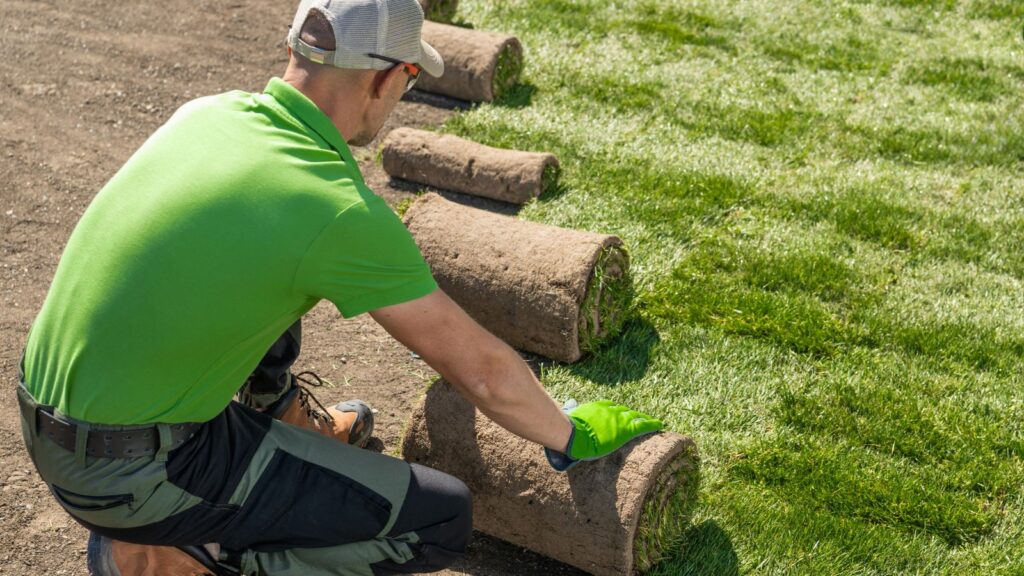
Plant installation: Placing trees, shrubs, and flowers based on spacing and sunlight needs
-
Final detailing: Adding mulch, edging, and finishing touches
Clear communication and consistent oversight help prevent errors and ensure the final result matches the approved design.
Final Walkthrough and Long-Term Maintenance Planning
The final walkthrough is where the completed project is reviewed to ensure every detail aligns with the original design plan.
This stage also includes setting expectations for ongoing care. A well-designed landscape requires proper maintenance to preserve its appearance and function over time.
Maintenance planning may include:
-
Routine inspections of irrigation systems and plant health
-
Seasonal services such as pruning, fertilizing, and mulching
-
Adjustments as plants grow and mature
-
Long-term care strategies to protect hardscape elements
Planning for maintenance ensures the investment continues to perform and look its best year after year.
Why Working with a Professional Landscape Designer Matters
A professional landscape design process goes beyond aesthetics; it ensures your outdoor space is functional, efficient, and built to last.
Working with an experienced team helps:
-
Prevent costly design or installation mistakes
-
Maximize the usability of your outdoor space
-
Improve property value and curb appeal
-
Ensure proper plant selection and system design
-
Create a cohesive, well-executed final result
SOLMAUNA Creations & Landscaping Designs in Colorado
Our team of landscape designers brings a unique combination of landscape architecture education paired with extensive knowledge of plants to the table. Contact us today.