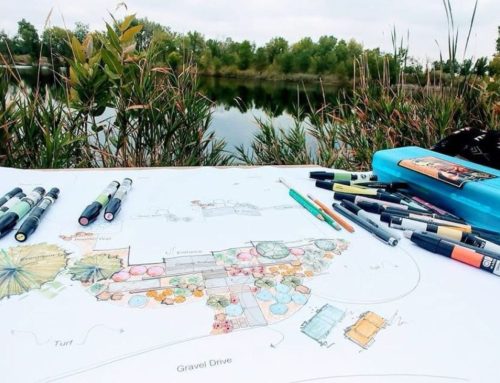
Early March in Colorado: Why Planning Your Landscape Now Beats Waiting for Summer
Planning your landscape in Colorado in early March gives you a head start on spring growth while avoiding the summer rush. Acting during this period allows selection of plants suited to local soil types, ordering materials before stock runs low, and scheduling irrigation or hardscape work when contractors have greater availability.
Mapping sunlight, soil particles, and water requirements now ensures plants establish before heat and drought stress arrive. Small preparatory steps – testing soil, sketching beds, and booking crews – save time, reduce costs, and support healthy plant growth throughout the season.
Early March in Colorado: Why Planning Your Landscape NOW Beats Waiting for Summer
Why Early March Is Prime Time for Colorado Landscaping
Early March gives homeowners a head start on soil work, weed control, and choosing plants that suit the Front Range and mountain valleys. Acting now reduces stress on plants later and lets irrigation and hardscape plans move forward before peak nursery demand.
Understanding Colorado’s Unique Spring Climate
Colorado winters end unevenly across regions. The Front Range often sees warm days and late frosts within the same week. High daytime sun and low humidity dry soil quickly once temperatures rise, while nights can still drop below freezing.
This means timing matters for plant hardiness and watering. Planting or moving tender plants during a warm, stable stretch reduces the risk of frost damage. For gardeners, monitoring local last-frost dates and daytime highs helps pick safe planting windows.
Colorado’s altitude increases UV and evapotranspiration. That stresses young roots and favors drought-tolerant choices. Early March lets gardeners plan around these patterns and prepare microclimates, such as sheltered beds or windbreaks, to protect new plantings.
Advantages of Early Soil Preparation
Starting soil preparation in early March provides time for amendments, irrigation, and mulch to be properly set before planting. Key benefits include:
-
Amendments like compost and pH adjustments settle before heavy planting or sodding, promoting strong root establishment.
-
Soil tests allow correction of imbalances in sand, silt, and clay content.
-
Early weed control, including removal of winter annuals and pre-emergent treatments, reduces competition for water.
-
Installing or inspecting irrigation systems ensures emitters reach root zones and supports efficient water use.
-
Preparing paths, edging, and mulch areas minimizes soil disturbance after planting.
-
Mulch applied close to planting retains soil moisture and moderates temperature swings during late frosts.
Optimal Timing for Planting Native Species
Native trees, shrubs, and perennials root best when planted before the hottest months. In most Front Range locations, planting hardy natives in early March to late April gives roots weeks to develop before summer heat peaks. Mountain zones may start slightly later, based on snowmelt.
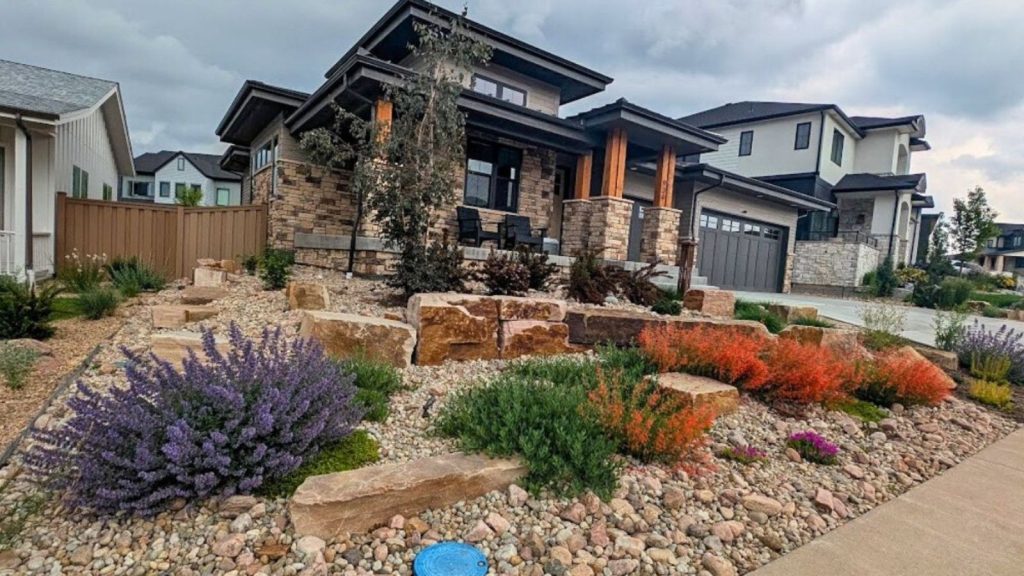
Choose plants that can thrive in Colorado’s sun, wind, and low moisture. Good options include native grasses, rabbitbrush, and mountain mahogany. These plants will need less extra water once they are established. Plant bareroot trees as soil thaws, and set container plants into amended holes deep enough to cover root balls to their previous soil line.
Space planting by root spread allows for future canopy size. Water deeply after planting and monitor soil moisture weekly until mid-summer. Early planting combined with proper root care reduces transplant shock and cuts future maintenance needs.
Landscape Planning Strategies That Outpace Waiting for Summer
Act now to shape irrigation, plant choice, and timing so the yard needs less emergency work in summer. Early planning saves water, boosts growth, and prevents late-season repairs.
Mitigating Water Restrictions With Early Action
Auditing irrigation zones in early spring helps push water into the root zone before high temperatures increase demand. Adjusting sprinklers, repairing leaks, and reprogramming irrigation controllers now improve real-time water efficiency.
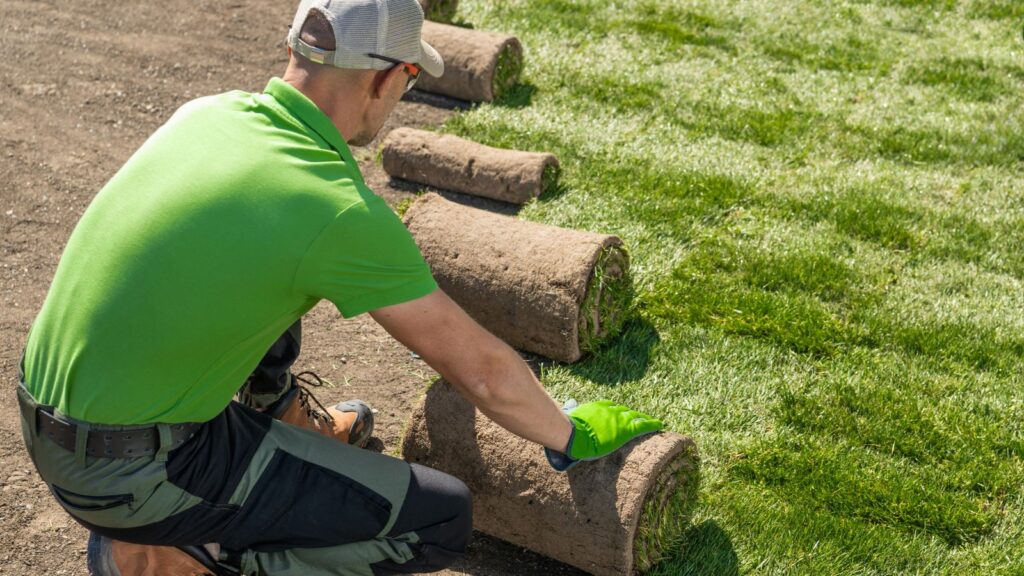
Transitioning high-water turf areas to drought-tolerant groundcovers or native grasses reduces summer irrigation needs. Staged turf removal and installing drip irrigation for beds enhances water efficiency while respecting restrictions.
A simple watering schedule based on soil types – clay, silt, and sand – prevents over- or under-watering, supporting healthy plant growth throughout midsummer celebrations.
Maximizing Seasonal Growth Cycles
Selecting plants suited to Colorado’s elevation and microclimate in early March allows roots to develop before heat stress. Cool-season perennials, shrubs, and trees benefit from early planting of your landscape in Colorado, producing stronger plants that require less summer intervention.
Staggering planting and applying mulch stabilizes soil temperature, conserves moisture, and directs energy to healthy shoots. Early pruning of deadwood focuses growth where needed.
Preventing Common Summer Landscaping Pitfalls
Repairing hardscape, irrigation, and grading issues in March prevents costly summer fixes. Fixing drainage low spots reduces erosion and pooled water during storms, while early pest and weed control reduces infestations later.
Scheduling major jobs – tree removal, large plant installations, and turf renovation – before peak season ensures contractors are available and rates are lower. Planning your landscape in Colorado now guarantees projects are completed before heat and drought challenge new plantings.
SOLMAUNA Creations & Landscaping Designs in Colorado
Our team of landscape designers brings a unique combination of landscape architecture education paired with extensive knowledge of plants to the table. Contact us today.