What Is Xeriscaping? A Modern Approach to Beautiful, Water-Wise Landscaping
Homeowners often ask whether a landscape can use less water without becoming a yard dominated by gravel and stone. That question reflects one of the most common misconceptions about xeriscaping.
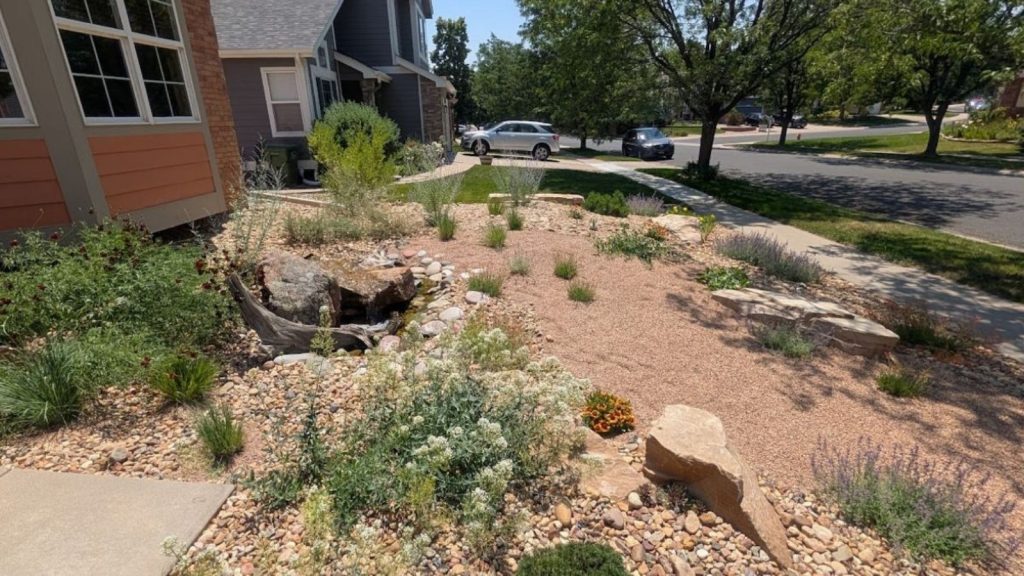
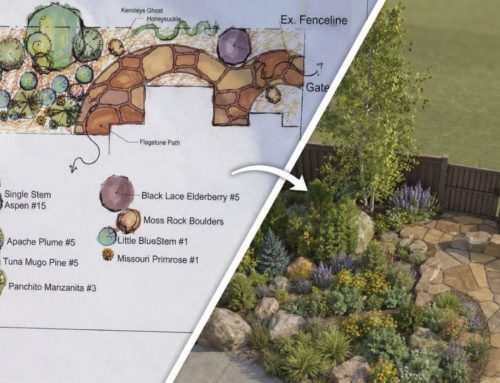
Xeriscaping is not a specific visual style. It is an approach to landscape design that considers water use, plant selection, soil, irrigation, hardscape, and the conditions of the property.
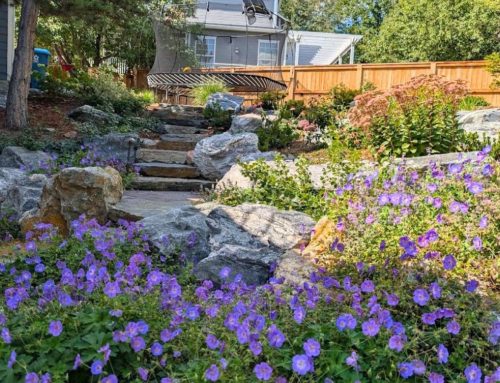
In Colorado, this approach can create landscapes with trees, shrubs, flowering plants, pathways, patios, and other features while reducing the amount of water required for ongoing maintenance.
Xeriscaping Starts With Understanding the Property
A xeriscape does not begin with a list of drought-tolerant plants. It begins with understanding how the property functions and which areas have different growing conditions.
Sun exposure, soil, drainage, grading, existing vegetation, and intended use can all influence which landscape elements are appropriate for a particular location.
Important site conditions include:
-
Areas receiving full sun
-
Shaded portions of the property
-
Existing drainage patterns
-
Soil conditions
-
Changes in elevation
-
Areas used for recreation or entertaining
These conditions matter because plants that perform well in one part of a property may struggle in another. A species that tolerates dry, sunny conditions may not be appropriate for a shaded area that retains moisture.
Evaluating these differences before installation helps create planting areas based on actual site conditions rather than treating the entire yard the same way.
Choose Plants for the Landscape
A common assumption is that xeriscaping limits a landscape to a small group of plants. In practice, the selection can include trees, shrubs, grasses, perennials, and other plants suited to local growing conditions.
The important consideration is whether each plant is appropriate for its location and expected water requirements.
Plant selection may account for:
-
Sun and shade tolerance
-
Mature plant size
-
Soil preferences
-
Water requirements
-
Seasonal interest
-
Compatibility with surrounding plants
Landscape professionals often see problems when plants are selected based only on appearance or drought tolerance. A plant may survive with limited water but still perform poorly if it is placed in unsuitable soil or exposed to conditions it cannot tolerate.
Mature size also matters. A plant that fits a bed when installed may eventually crowd nearby plants, obstruct pathways, or require frequent pruning.
Matching plants to their growing environment and allowing adequate space for mature growth can reduce replacement and maintenance needs while creating more consistent planting beds.
Include Lawn and Hardscape
Xeriscaping does not mean removing every area of lawn or replacing open space with rock. The more useful approach is to determine which parts of the property need living plants, lawn, or hardscape based on how each area will be used.
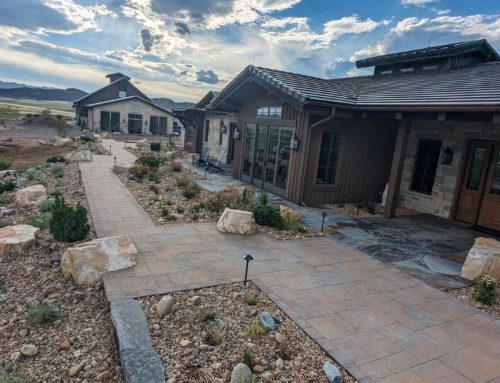
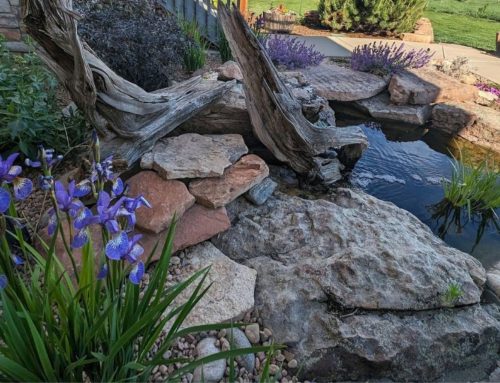
Patios, walkways, retaining walls, and stone features can organize the property while creating functional outdoor spaces that do not require irrigation.
Hardscape may provide:
-
Outdoor seating areas
-
Walking routes
-
Retaining structures
-
Transitions between landscape areas
-
Defined spaces for outdoor activities
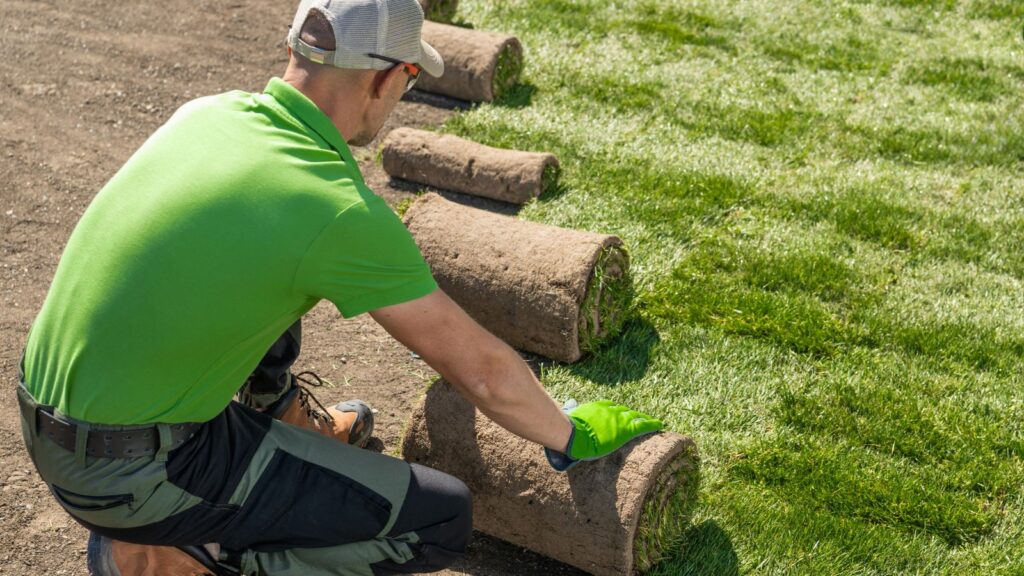
Lawn can also remain where it provides a clear purpose, such as recreation or gathering. Removing turf from an area that is regularly used may simply replace one maintenance concern with another without improving the function of the landscape.
Hardscape placement requires similar consideration. A patio or walkway can affect drainage, circulation, planting space, and access to other parts of the property.
Planning these elements together allows lawn, planting areas, and hardscape to serve different purposes without making the landscape feel disconnected.
Plan for Efficient Water Use
Another misconception is that a xeriscape can simply be installed and left without maintenance. Lower water requirements do not mean that a landscape requires no care.
Newly installed plants still need appropriate irrigation while their root systems become established. After establishment, watering should reflect the needs of different planting areas rather than treating the entire yard as though it has identical requirements.
Water management can involve:
-
Grouping plants with similar water requirements
-
Adjusting irrigation to planting areas
-
Monitoring newly installed plants
-
Accounting for seasonal weather conditions
-
Maintaining appropriate soil moisture
Mulch can also play a role in water-wise landscapes. It helps cover exposed soil and can reduce moisture loss while providing a finished appearance to planting areas.
A useful distinction is between reducing water use and eliminating watering. Even drought-tolerant plants may need supplemental water during establishment or periods of unusually dry conditions.
The practical objective is to provide the amount of water the landscape needs without applying the same irrigation schedule to every part of the property.
Consider Soil and Drainage Conditions
Plant selection receives considerable attention during landscape planning, but soil and drainage can determine whether those plants perform as expected.
Properties can have areas where water drains quickly and others where moisture remains after irrigation or rainfall. Grading can create additional differences across the same yard.
Site preparation may involve:
-
Identifying drainage concerns
-
Evaluating existing soil
-
Preparing planting areas
-
Addressing grading problems
-
Considering water movement across the property
Addressing these conditions before planting and hardscape installation can prevent problems that become more difficult to correct later. A finished patio or established planting bed may need to be disturbed if drainage or grading issues are discovered afterward.
Soil and drainage should also guide plant selection. A drought-tolerant plant still needs growing conditions that match its requirements, which is why evaluating the specific site is more useful than relying on a general list of drought-tolerant plants
Avoid Common Xeriscaping Mistakes
Many xeriscaping problems begin when water reduction becomes the only design objective. A landscape can use less water and still be poorly planned.
Common issues include:
-
Removing turf without planning the replacement landscape
-
Selecting plants without considering mature size
-
Using the same irrigation approach across different planting areas
-
Covering large areas with rock without considering heat and maintenance
-
Installing hardscape without accounting for drainage
Another recurring issue is treating xeriscaping as a material choice instead of a design process. Replacing grass with gravel does not automatically create an effective xeriscape.
Excessive rock can also create a landscape that does not meet the property’s intended use. A yard designed primarily for outdoor recreation may need open lawn or usable patio space rather than additional decorative stone.
The stronger approach considers how plants, hardscape, irrigation, soil, drainage, and outdoor use will interact over time.
Balance Water Use and Landscape Function
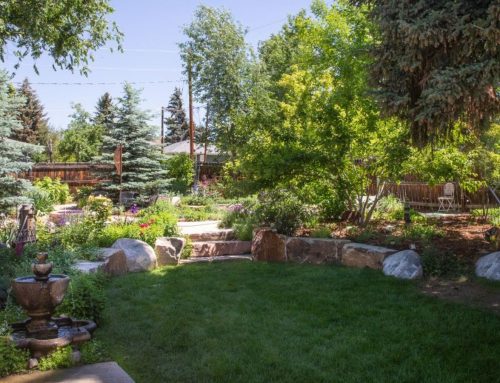
A well-planned xeriscape does not require eliminating lawn, plants, or other landscape features. Instead, each part of the property can be designed around its purpose, water requirements, and growing conditions.
A balanced landscape may include:
-
Lawn where space is needed for recreation
-
Trees and shrubs for shade and structure
-
Flowering plants for seasonal interest
-
Mulch or stone around planting areas
-
Patios and pathways for outdoor use
The key is deciding where each element provides the most value. A frequently used lawn area may justify its water needs, while an unused section of turf may be better suited to lower water plantings or hardscape.
This approach allows xeriscaping to reduce unnecessary water use without making the landscape feel limited or unfinished. For Colorado properties, thoughtful planning can create outdoor spaces that remain functional, attractive, and appropriate for local growing conditions.
SOLMAUNA Creations & Landscaping Designs in Colorado
Our team of landscape designers brings a unique combination of landscape architecture education paired with extensive knowledge of plants to the table. Contact us today.